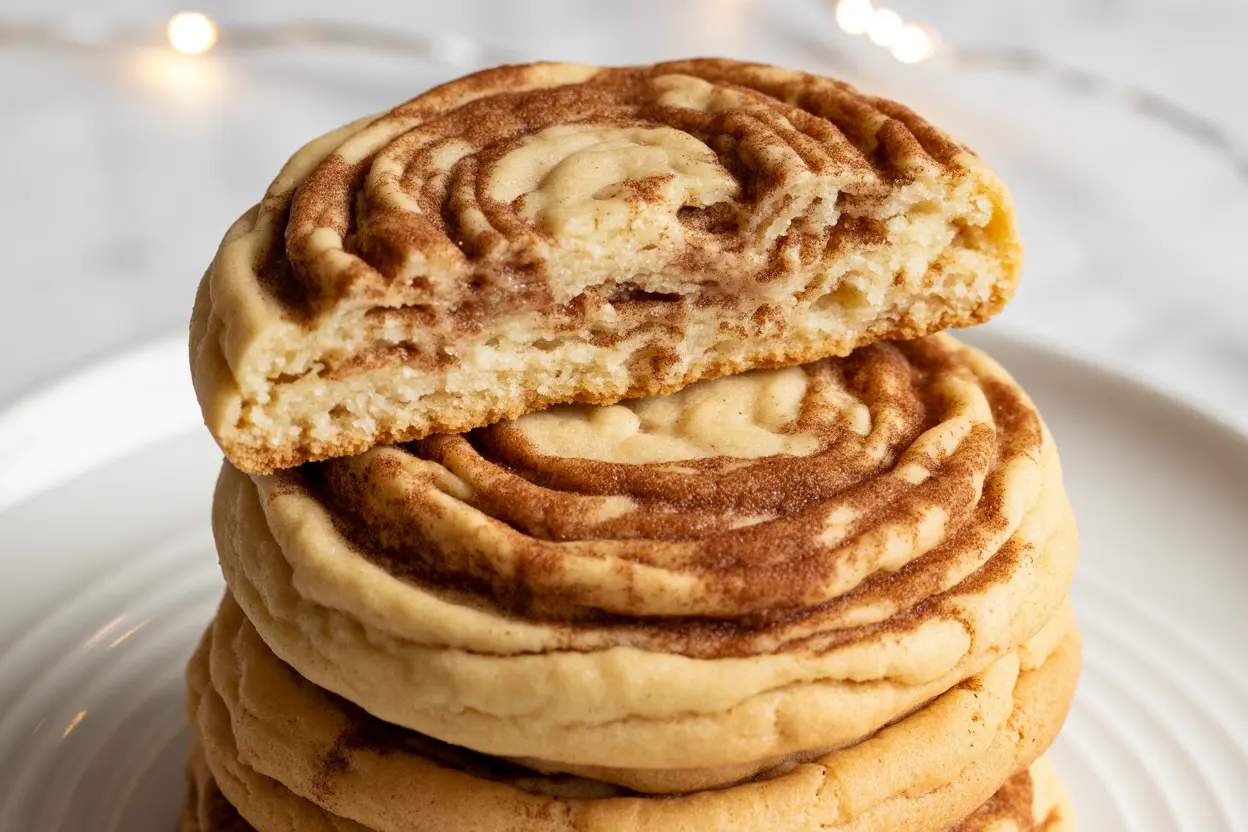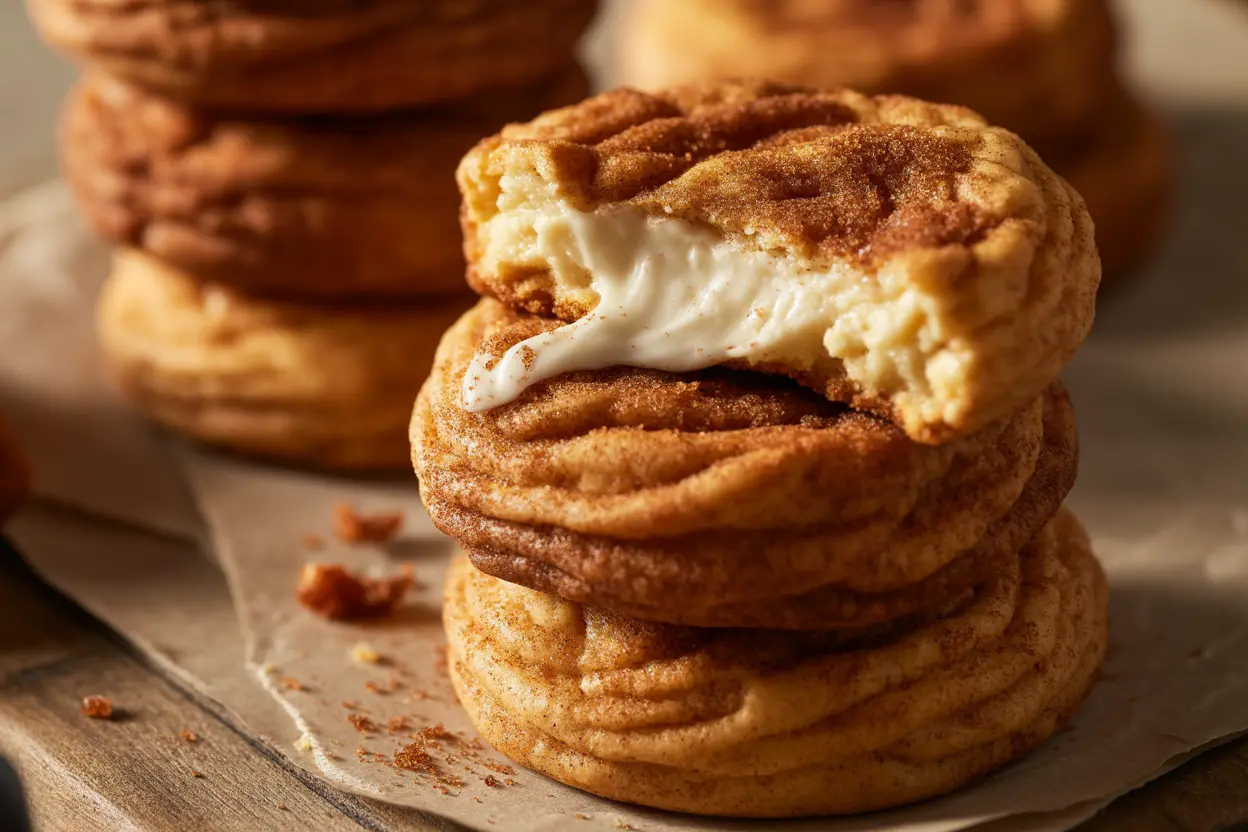
There’s something magical about the smell of gingerbread baking on a chilly winter morning. Now imagine that same comfort, deepened by the tangy warmth of sourdough. Sourdough Gingerbread Cookies combine two beloved traditions, spiced holiday cookies and the slow, flavorful craft of sourdough baking. The result is a cookie that’s rich, soft, and layered with complexity in every bite. This recipe doesn’t just celebrate Christmas, it celebrates patience, warmth, and the art of fermentation. Whether you’re new to sourdough or a seasoned baker, this twist on a classic brings a rustic charm that’s impossible to resist.
Table of Contents
Why Gingerbread Cookies Are the Best
From Tradition to Timeless Flavor
There’s a reason gingerbread cookies are the centerpiece of every festive table, they’re comforting, classic, and endlessly versatile. Here’s what makes them truly special:
- Aromatic Spices That Warm the Soul – Ginger, cinnamon, and cloves work together to create that cozy flavor everyone loves during winter.
- Perfect Texture Combination – Crisp edges with a chewy center deliver the best of both worlds.
- Easy to Customize – Whether you shape them as gingerbread men, snowflakes, or houses, they always look impressive.
- Nostalgia in Every Bite – Each cookie carries the scent and taste of holiday memories, making them perfect for family baking traditions.
- Ideal Canvas for Creativity – From royal icing details to candy buttons, decorating these cookies is half the fun.
Flavor Meets Function
Here’s why these cookies stand out from standard holiday treats:
- Balanced Sweetness: Molasses adds depth without overpowering.
- Longer Shelf Life: Thanks to sourdough’s natural acidity.
- Better Digestion: The fermented dough is easier on the stomach.
- Satisfying Aroma: The slow fermentation draws out a richer, spiced scent.
Sourdough gingerbread cookies don’t just taste better, they feel like the holiday spirit baked into every bite, and after these try my delicious Gingerbread Cheesecake Cookies.

Sourdough Gingerbread Cookies

Equipment
- Mixing bowls (large and medium)
- Electric mixer or hand whisk
- Rubber spatula or wooden spoon
- Rolling Pin
- Cookie cutters
- Baking sheets
- Parchment paper
- Cooling rack
Ingredients
- 3 cups all-purpose flour
- ½ cup sourdough discard or active starter
- ½ cup unsalted butter softened
- ½ cup dark brown sugar
- ⅓ cup molasses
- 1 large egg
- 2 teaspoons ground ginger
- 1 ½ teaspoons ground cinnamon
- ¼ teaspoon ground cloves
- 1 teaspoon baking soda
- ½ teaspoon salt
Instructions
- In a large bowl, cream together the softened butter and brown sugar until light and fluffy.
- Add the molasses and egg, and mix until smooth.
- Stir in the sourdough starter until fully combined.
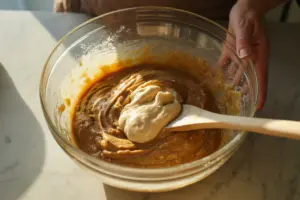
- In a separate bowl, whisk together flour, baking soda, salt, and all the spices.
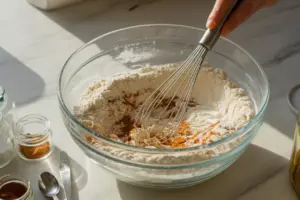
- Gradually add the dry ingredients to the wet mixture, stirring until a soft dough forms.
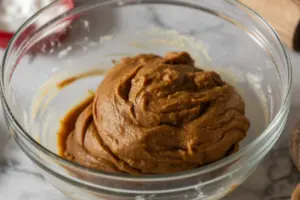
- Cover the bowl with plastic wrap and refrigerate for at least 2 hours or overnight.
- Preheat oven to 350°F (175°C) and line baking sheets with parchment paper.
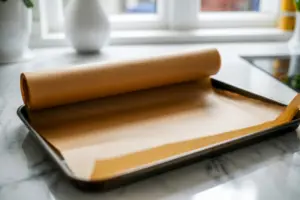
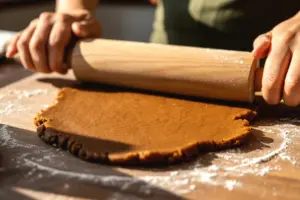
- Roll the chilled dough on a floured surface to ¼-inch thickness.
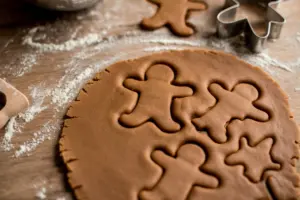
- Cut into gingerbread or desired shapes using cookie cutters.
- Place cookies on prepared sheets, spacing 1 inch apart.

- Bake for 8-10 minutes, until edges are firm but centers are soft.

- Let cookies cool on the sheet for 5 minutes, then transfer to a wire rack to cool completely.

- Decorate with royal icing, powdered sugar, or enjoy plain with a cup of coffee or cocoa.
Notes
- Calories: 145 kcal
- Carbohydrates: 20 g
- Protein: 2 g
- Fat: 6 g
- Saturated Fat: 3.5 g
- Fiber: 1 g
- Sugar: 10 g
- Sodium: 95 mg
The Science and Benefits of Using Sourdough in Gingerbread
A New Twist on a Classic
When you first think of sourdough, bread might come to mind, but in baking, this fermented magic adds something extraordinary to cookies too. In sourdough gingerbread cookies, it’s not just about flavor; it’s about chemistry and texture working hand in hand. Here’s what happens when you mix sourdough with traditional gingerbread ingredients:
- Fermentation Enhances Flavor: The wild yeasts and bacteria in sourdough starter develop deep, tangy undertones that balance the sweetness of molasses.
- Better Texture Control: The slight acidity keeps the cookies soft inside while ensuring crisp, golden edges.
- Extended Freshness: Natural fermentation helps your cookies stay moist and delicious for days.
- Subtle Tang, Big Impact: The starter brings complexity that plain gingerbread dough can’t match.
Adding sourdough to your cookies isn’t about reinventing the wheel, it’s about enhancing every bite.
Flavor Depth and Digestive Benefits
Sourdough doesn’t just make your gingerbread taste better; it makes it feel better too. It turns a simple treat into something your body, and your taste buds, will thank you for.
- Gentle on Digestion: The fermentation process pre-digests some of the gluten, making the cookies easier on your stomach.
- Naturally Balanced Sweetness: The sourdough starter adds a slight tang, which cuts through the richness of molasses and butter.
- More Complex Spices: Fermentation subtly amplifies the warmth of ginger, cinnamon, and nutmeg.
- Healthier Baking Option: Unlike commercial leaveners, sourdough brings life to the dough naturally, without additives.
- Unique Taste Experience: The result is an elegant blend of sweet, spicy, and tangy notes that stand out from standard cookies.
To explore more creative ways to bake with sourdough, check out the Sourdough Chocolate Chip Cookies recipe. It shows how fermentation transforms even simple cookie dough into a bakery-worthy treat.
If you’re planning your holiday menu, the Holiday Desserts Baking guide offers festive ideas for cakes, breads, and pastries that all start with a humble starter.
Quick Takeaways
- Sourdough adds depth, aroma, and balance.
- It keeps cookies fresh and chewy longer.
- Fermentation enhances the natural flavor of holiday spices.
- Every bite delivers a comforting tang that pairs beautifully with coffee or cocoa.
These cookies prove that a touch of old-world technique can breathe new life into a classic holiday dessert.

Step-by-Step Sourdough Gingerbread Cookie Recipe
Simple Ingredients, Big Flavor
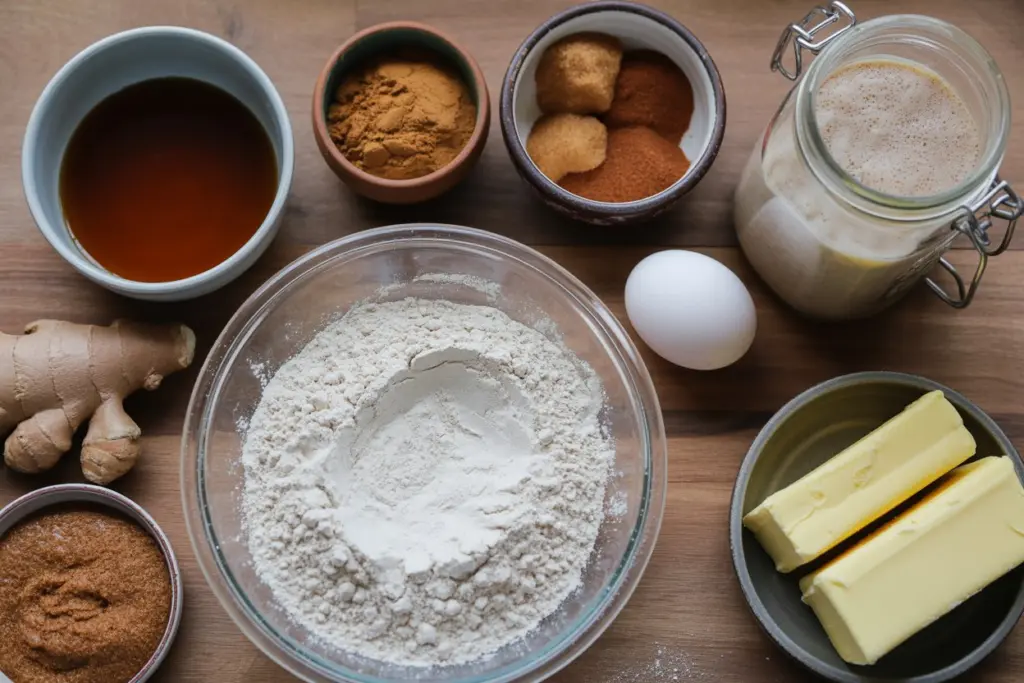
Sourdough gingerbread cookies come together with just a few pantry staples and your trusted sourdough starter. Every ingredient serves a purpose, creating a cookie that’s soft, spiced, and irresistibly fragrant.
Here’s what you’ll need:
| Ingredient | Purpose | Substitutes |
|---|---|---|
| All-purpose flour | Provides structure | Whole wheat flour or 1:1 gluten-free blend |
| Sourdough discard (or active starter) | Adds tang and softness | Plain yogurt (for quick, non-fermented version) |
| Unsalted butter, softened | Gives richness and tender crumb | Coconut oil or vegan butter |
| Dark brown sugar | Sweetness with molasses depth | Coconut sugar or light brown sugar |
| Molasses | Creates the classic gingerbread flavor | Maple syrup + brown sugar blend |
| Egg | Binds ingredients and adds moisture | Flax egg or applesauce (vegan option) |
| Ground ginger | Spicy warmth and signature flavor | Fresh grated ginger (½ amount) |
| Ground cinnamon | Adds warmth and sweetness | Pumpkin pie spice mix |
| Ground cloves | Adds aroma and complexity | Allspice or nutmeg |
| Baking soda | Creates light texture | Baking powder (double the amount) |
| Salt | Balances sweetness | Sea salt flakes for enhanced flavor |
Mistakes to Avoid and How to Fix Them
- Mistake: Overmixing the Dough
Result: Tough cookies and lost tenderness.
Fix: Mix only until ingredients come together. Sourdough adds structure on its own. - Mistake: Skipping the Chill Time
Result: Cookies spread too much in the oven.
Fix: Chill dough for at least 2 hours. This firms butter and improves flavor. - Mistake: Using Too Much Flour
Result: Dry, crumbly cookies.
Fix: Spoon and level flour instead of scooping. The dough should feel soft but not sticky. - Mistake: Baking Too Long
Result: Hard cookies that lose their chew.
Fix: Remove them when edges are just set; they’ll finish baking on the sheet. - Mistake: Using Cold Ingredients
Result: Uneven mixing and dense texture.
Fix: Bring butter, egg, and starter to room temperature before mixing. - Mistake: Ignoring Sourdough Strength
Result: Overly tangy or bland flavor.
Fix: Use a mild discard for subtle tang, or active starter for more lift and sour notes.
For reference, explore Soft Sourdough Molasses Cookies for deeper sweetness and Best Christmas Cookies if you need a more faster, festive option.
Quick Recap
- Use sourdough for complexity and texture.
- Avoid overmixing and overbaking.
- Always chill the dough for picture-perfect shapes.
Next up: how to decorate, store, and serve your cookies to keep them festive and fresh through the holidays.
Decorating, Storing & Serving Ideas
Creative Decorating for the Holidays
Once your sourdough gingerbread cookies are baked and cooled, it’s time for the fun part, decorating. This is where you can let your creativity shine while keeping that homemade, cozy charm.
Here’s how to make your cookies look as good as they taste:
- Start with the Right Icing: A simple royal icing gives you smooth, detailed designs that harden beautifully. For a perfect batch, check out this Easy Icing Recipe.
- Plan Your Palette: Stick to two or three colors for a clean, elegant look, white, red, and green are timeless holiday choices.
- Use Piping Bags Wisely: If you don’t have piping bags, use zip-top bags with a tiny snip in the corner for easy control.
- Add Texture with Sprinkles or Sugar: Sprinkle coarse sugar or edible glitter on wet icing for sparkle.
- Layer Like a Pro: Allow each layer of icing to dry before adding more details, it keeps your designs crisp.
- Go Natural: For a rustic look, skip the icing and dust your cookies with powdered sugar or drizzle lightly with honey.
Pro Tip: Decorating these cookies with kids or friends makes for an unforgettable holiday activity, a mix of laughter, color, and sweet aromas filling your kitchen.

Make Ahead and Store Like a Pro
One of the best things about sourdough gingerbread cookies is how long they stay fresh. Thanks to the starter’s natural acidity, they hold their flavor and texture better than traditional recipes.
Follow these tips for easy storage and serving:
- Bake Ahead: Prepare and bake your cookies up to 1 week before serving. The flavor deepens over time.
- Freeze the Dough: Roll dough into discs, wrap tightly in plastic, and freeze for up to 3 months. Thaw overnight in the fridge before rolling and cutting.
- Store the Baked Cookies: Keep in an airtight tin at room temperature for up to 10 days. Layer with parchment to prevent sticking.
- Revive Day-Old Cookies: Place them in a microwave with a damp paper towel for 10 seconds to restore softness.
- Pack Beautifully: If you’re gifting, line a festive box with parchment, layer the cookies, and tie with string for a personal touch.
Quick Recap
- Decorate with royal icing or powdered sugar for a festive finish.
- Store cookies in airtight containers to lock in freshness.
- Make and freeze dough ahead for stress-free holiday prep.
- Package beautifully for homemade gift-giving.
These sourdough gingerbread cookies aren’t just delicious, they’re made to be shared, displayed, and enjoyed with joy all season long.

FAQs
Can you use active sourdough starter instead of discard for gingerbread cookies?
Yes! You can use either. Active starter will give your cookies a lighter texture and a touch more rise, while discard delivers a slightly tangier flavor.
How long does sourdough gingerbread dough need to ferment?
It depends on how tangy you like your cookies. For mild flavor, chill for 2-4 hours. For deeper fermentation and more complex spice notes, refrigerate the dough overnight (8-12 hours). The slow fermentation draws out a balanced molasses tang and enhances digestibility.
Can I make these cookies vegan or gluten-free?
Absolutely. Substitute butter with coconut oil or vegan butter, and use a flax egg instead of a regular one. For gluten-free baking, replace flour with a 1:1 gluten-free blend. The texture will be slightly softer, but the flavor remains rich and festive.
Why do my sourdough gingerbread cookies spread too much while baking?
This usually happens if the butter was too soft or the dough wasn’t chilled. To fix this, refrigerate the dough longer and ensure your oven is fully preheated. Rolling dough slightly thicker also helps retain shape.
Sourdough gingerbread cookies bring together the heart of tradition and the craft of slow fermentation. Each bite carries the tangy warmth of sourdough, the rich sweetness of molasses, and the comforting spice that defines the holidays.
Whether you’re baking them for your family, gifting them to friends, or decorating them with little hands, these cookies promise one thing, pure homemade joy. For more festive ideas, check out Cookies Baking with Sourdough and discover new ways to celebrate the season with flavor and love.