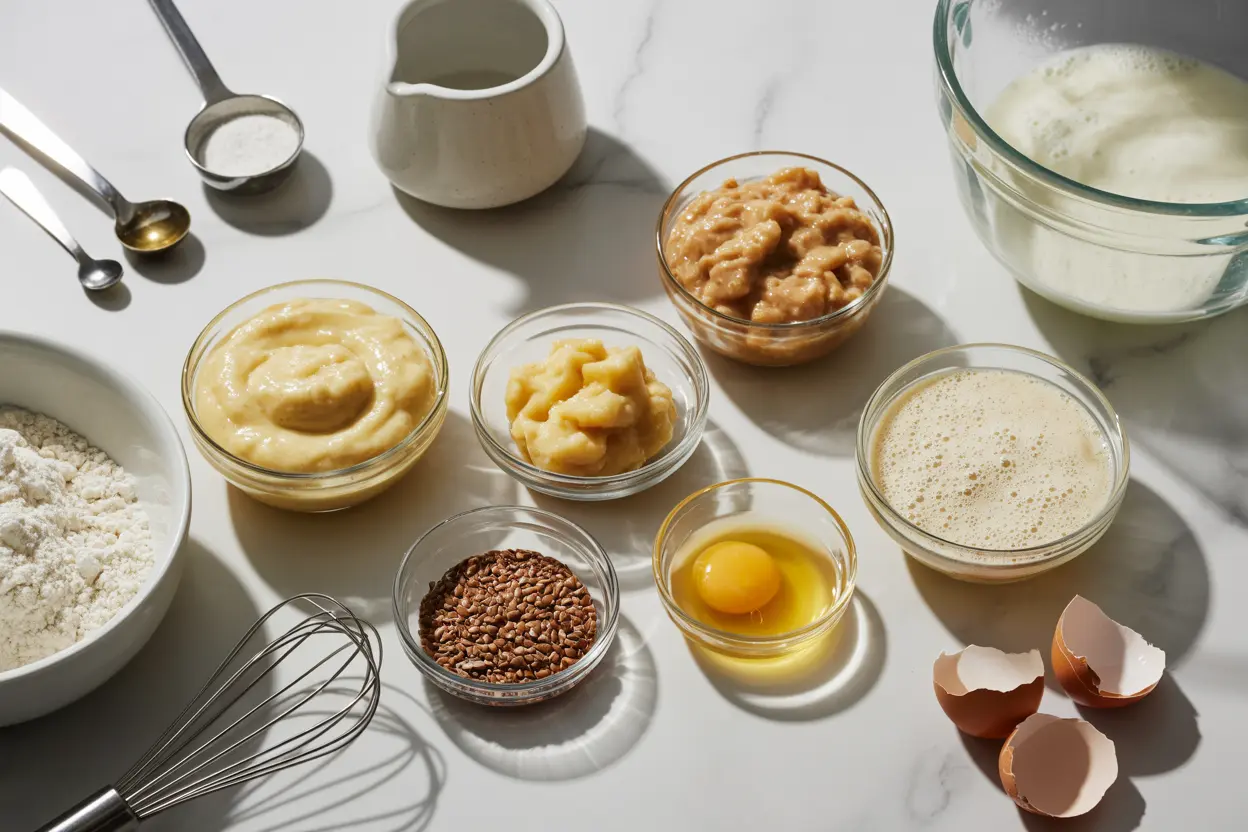
Baking without eggs might sound like trying to bake a cake without an oven, but trust me, it’s absolutely doable. Whether you’re out of eggs, baking for someone with allergies, following a vegan lifestyle, or just curious, egg substitutes for baking can save the day. And not just save it, sometimes they make it even better.
In this ultimate guide, we’ll break everything down step by step, in plain English, with real baking logic you can actually use.
Table of Contents
Why Eggs Matter in Baking
Eggs are like the glue, sponge, and scaffolding of baked goods, all rolled into one. They bind ingredients together, trap air, add moisture, and give structure. Remove eggs without a plan, and you might end up with crumbly cookies or dense cakes.
That’s why egg substitutes aren’t one-size-fits-all. A cookie needs binding and chewiness. A cake needs lift and moisture. A brownie needs richness and structure.
When You Need an Egg Substitute
You might need an egg replacement if:
- You ran out of eggs mid-recipe
- You’re baking vegan
- You’re avoiding eggs due to allergies
- Eggs are expensive or unavailable
- You want a healthier or lighter option
Good news? You already have most substitutes in your kitchen.
How to Choose the Right Egg Replacement
Ask yourself one simple question:
👉 What is the egg doing in this recipe?
- Binding → Use flax, chia, or starch
- Moisture → Use fruit purées or yogurt
- Leavening → Use vinegar + baking soda
- Structure → Use silken tofu or commercial replacers
Once you know the role, the choice becomes easy.
Binding Egg Substitutes (Best for Cookies & Bars)
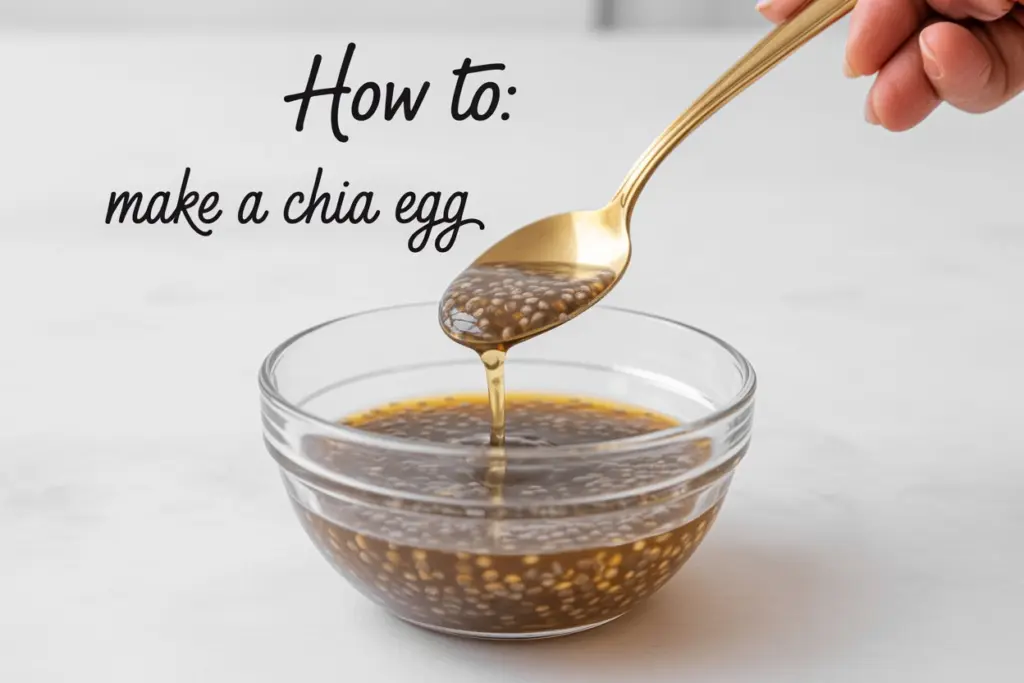
Flax Egg
- 1 tablespoon ground flaxseed + 2.5 tablespoons water
- Let sit 5 minutes until gel-like
Best for: Cookies, brownies, pancakes
Texture: Slightly nutty, chewy

Chia Egg
- Same ratio as flax
- More neutral flavor
Best for: Dense baked goods
Moisture-Adding Egg Substitutes (Perfect for Cakes)
Applesauce
- ¼ cup per egg
- Light, moist texture
Mashed Banana
- ¼ cup per egg
- Adds banana flavor (great for muffins)
Pumpkin or Sweet Potato Purée
- Moist and rich
- Ideal for fall baking
Leavening Egg Substitutes (For Light & Fluffy Bakes)
Baking Soda + Vinegar
- 1 tsp baking soda + 1 tbsp vinegar
- Creates lift through chemical reaction
Best for: Cakes, cupcakes, quick breads
Carbonated Water
- ¼ cup replaces one egg
- Adds air without flavor
Structure-Building Egg Substitutes
Silken Tofu
- ¼ cup blended per egg
- Neutral flavor
Best for: Cheesecakes, brownies, dense cakes
Yogurt (Dairy or Plant-Based)
- ¼ cup per egg
- Adds tenderness
Best Egg Substitutes by Baked Good
Cakes
- Applesauce
- Yogurt
- Vinegar + baking soda
Cookies
- Flax egg
- Chia egg
Brownies
- Silken tofu
- Flax egg
Muffins & Quick Breads
- Banana
- Applesauce
- Yogurt
Fruit-Based Egg Substitutes Explained
Fruit works because it adds moisture and binding. Think of it like replacing glue with jam, it holds, but softly.
Best fruits:
- Applesauce
- Banana
- Pumpkin
- Avocado (for chocolate recipes)
Pantry Staples as Egg Replacements
You don’t need fancy products.
- Cornstarch + water → Binding
- Oil + water + baking powder → Moisture + lift
- Peanut butter → Rich binding (small amounts)
Store-Bought Egg Replacers
Commercial egg replacers are designed to mimic eggs without flavor. They’re reliable, especially for recipes that rely heavily on eggs.
Best for: Cakes, cookies, large batches
Common Egg Substitute Mistakes to Avoid
- Using banana in vanilla cake (flavor clash)
- Overusing flax (can become gummy)
- Replacing multiple eggs without structure support
- Ignoring leavening adjustments
Texture & Flavor Adjustments
Egg-free baking may need:
- Slightly longer bake time
- Extra baking powder
- Reduced liquid
Think of it as tuning an instrument, not rebuilding it.
Measuring Egg Substitutes Correctly
Precision matters. Baking is chemistry.
- Always measure purées
- Level tablespoons
- Blend substitutes smoothly
Vegan vs Allergy-Friendly Egg Substitutes
- Vegan: flax, chia, tofu, fruit
- Allergy-friendly: starch-based or commercial replacers
Always read labels for cross-contamination.
Egg Substitutes for Special Diets
- Gluten-free: flax, chia, tofu
- Low-fat: applesauce
- High-protein: tofu, yogurt
Final Baking Tips for Egg-Free Success
- Start with one-egg substitutions
- Keep notes
- Don’t fear experimentation
- Trust texture over looks
Egg-free baking is like learning a new language, confusing at first, fluent with practice.
FAQs
What is the best all-purpose egg substitute for baking?
Flax eggs are the most versatile for cookies, brownies, and bars.
Can I replace eggs in any recipe?
Yes, but complex recipes may need testing and adjustment.
Do egg substitutes change the taste?
Some do. Banana and pumpkin add flavor; flax and tofu are neutral.
How many eggs can I replace safely?
One to two eggs is easiest. More may require structure support.
Are egg substitutes healthier than eggs?
Often yes, lower cholesterol and more fiber, depending on the substitute.
Egg substitutes for baking aren’t compromises, they’re creative tools. Once you understand what eggs do, replacing them becomes second nature. From flax eggs to fruit purées, the right substitute can deliver just as much structure, moisture, and joy as a traditional egg.
So next time you’re out of eggs, don’t panic. Your pantry has your back.