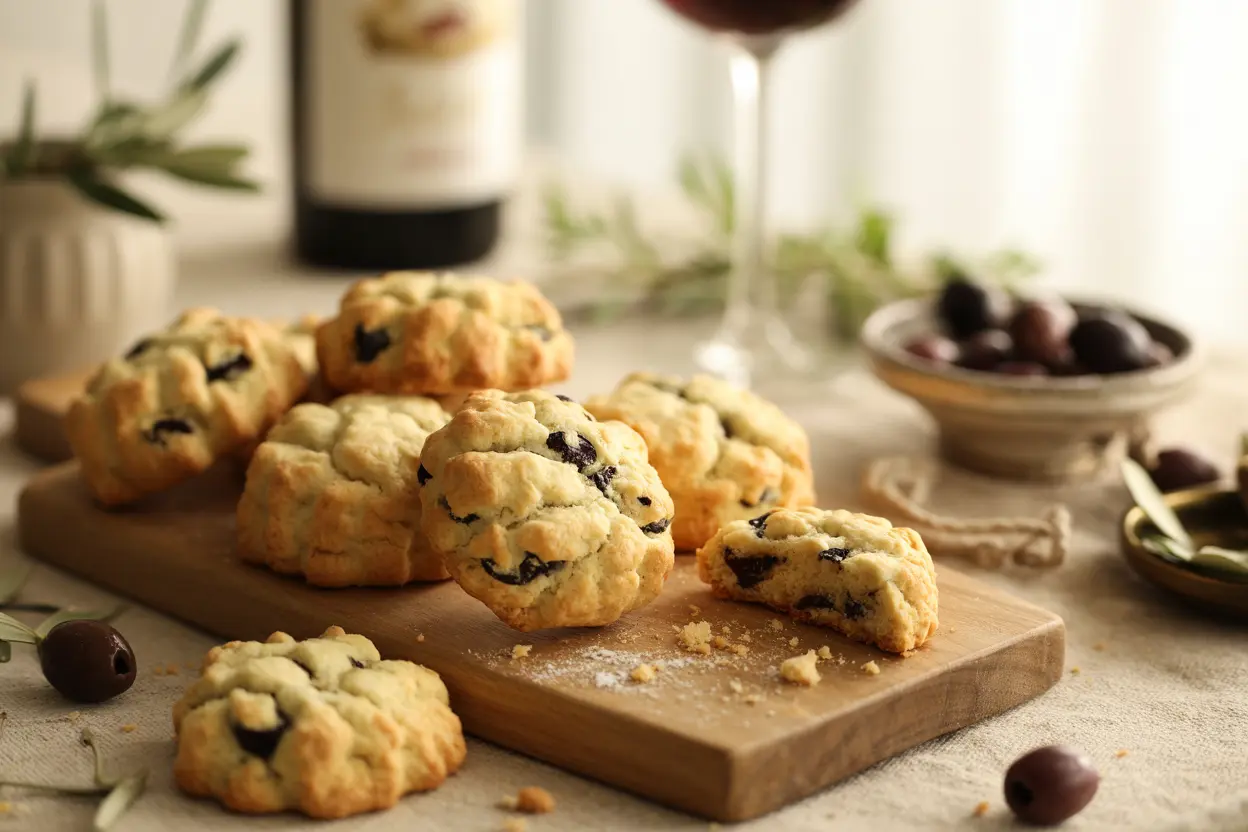
When I first pulled a tray of black olive biscuit cookies from the oven, I wasn’t sure what to expect. The idea of mixing briny olives with buttery dough seemed almost rebellious against the rules of baking I’d taught myself over the years. But one bite in, I knew this recipe was a keeper. These cookies aren’t your typical sweet treat, they walk a fine line between savory and subtly sweet, with a Mediterranean flair that makes them unforgettable. In this article, we’ll explore how this unconventional idea came to life, how to perfect the balance of flavors, and how to make them shine in your own kitchen.
Table of Contents
Balancing Sweet and Savory
Olives have always belonged to the savory side of the kitchen, but this recipe challenged that notion. By pairing the briny intensity of black olives with just enough sugar and citrus zest, I found a balance that feels both surprising and satisfying. The salt enhances the butter’s flavor, while the natural fruitiness of olives adds depth that lingers long after the first bite.
I was inspired by Mediterranean kitchen like One-Pot Mediterranean Chicken and Orzo, where herbs and unexpected ingredients turn a simple bake into something unforgettable. That’s the beauty of these black olive biscuit cookies: they remind you that the best flavors often come from the boldest experiments.
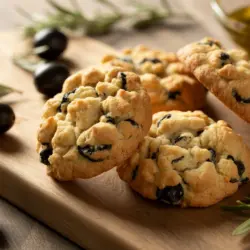
Black Olive Biscuit Cookies

Equipment
- Mixing bowls (medium and large)
- Measuring cups and spoons
- Baking sheet
- Parchment paper
- Rolling Pin
- Biscuit cutter or knife
- Cooling rack
- Rubber Spatula
Ingredients
- 2 cups all-purpose flour
- 1 teaspoon baking powder
- ½ cup 1 stick unsalted butter, cold and cubed
- ½ cup chopped black olives pitted and dried
- 2 tablespoons olive oil
- 3 tablespoons granulated sugar
- ¼ teaspoon salt
- 1 large egg yolk
- 1 teaspoon lemon or orange zest optional
Instructions
- Preheat oven to 350°F (175°C) and line a baking sheet with parchment paper.
- In a large mixing bowl, combine flour, baking powder, sugar, and salt.
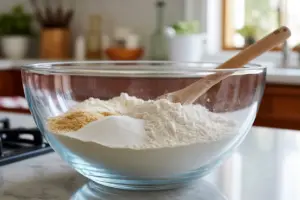
- Cut in the cold butter using your hands or a pastry cutter until the mixture forms coarse crumbs.
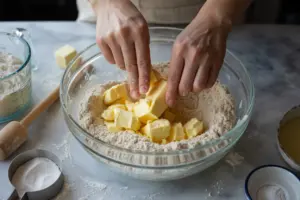
- Drizzle in the olive oil and egg yolk. Mix gently until the dough begins to come together.
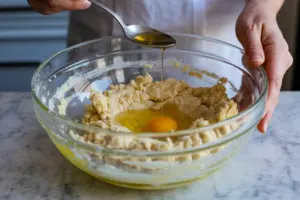
- Fold in the chopped black olives and citrus zest (if using).
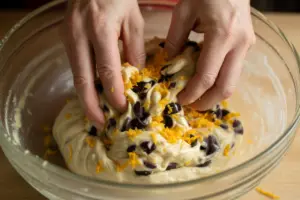
- Lightly flour a surface and roll the dough out to about ½ inch thick.
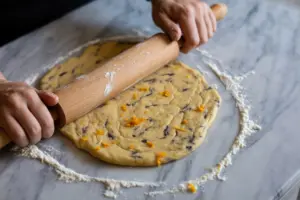
- Cut into rounds using a biscuit cutter or knife.
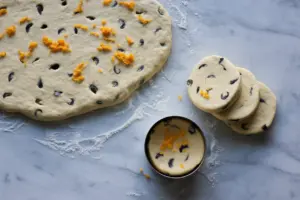
- Arrange cookies on the prepared baking sheet about 1 inch apart.
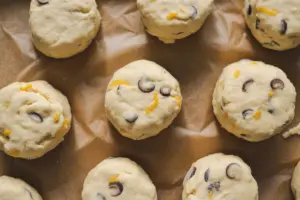
- Chill for 10 minutes before baking to help retain their shape.
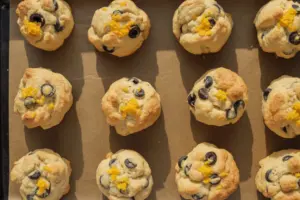
- Bake for 14-16 minutes, or until the edges turn light golden.
- Remove and cool on a wire rack for 10 minutes before serving.
Notes
- Calories: 135
- Fat: 9g
- Carbohydrates: 11g
- Protein: 2g
- Sodium: 125mg
- Sugar: 2g
Ingredients & Preparation Essentials
Choosing the Right Olives
When it comes to crafting the perfect black olive biscuit cookies, your choice of olives can make or break the recipe. Go for pitted, cured black olives, they should be rich, meaty, and lightly briny rather than overly salty. Rinse them well and pat dry before chopping, which prevents excess moisture from altering the dough’s texture. I often start by preparing a small batch of savory olive tapenade to test the olive’s flavor profile; it helps me decide whether they’ll blend harmoniously with the buttery biscuit base.
Texture matters too. Chopping the olives into uneven bits adds personality to each cookie, some bites reveal bursts of brine, while others deliver smooth, buttery balance. If you want to get creative, experiment with a mix of black and green olives, but keep the green ones mild so they don’t overpower the rest.
As a finishing touch, I like to fold in fresh rosemary or thyme for a fragrant nod to the Mediterranean countryside.
Building a Balanced Dough
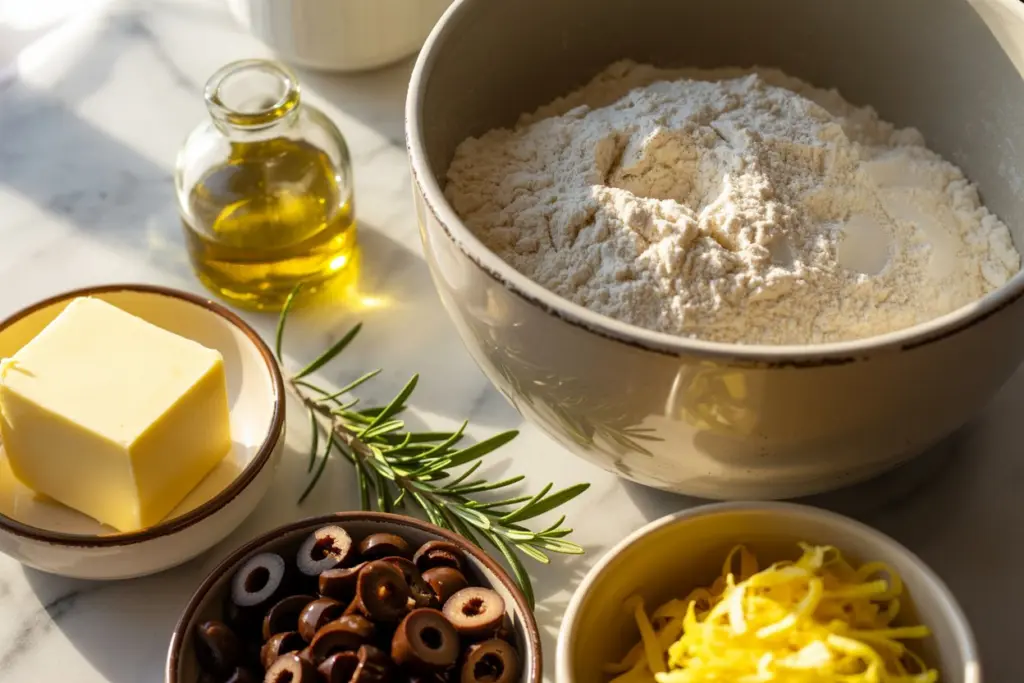
Making the dough for black olive biscuit cookies feels like walking a tightrope between rustic and refined. You’ll want a tender, crumbly texture that’s firm enough to hold shape but soft enough to melt in your mouth. Below is the precise ingredient guide I use for this recipe.
| Ingredient | Substitutes | Notes |
|---|---|---|
| All-purpose flour | Whole wheat flour or gluten-free blend | Unbleached gives the best biscuit texture |
| Unsalted butter | Coconut oil or vegan margarine | Use cold for flaky, tender dough |
| Chopped black olives | Kalamata or Niçoise olives (rinsed) | Pitted, drained, and finely chopped |
| Olive oil | Avocado oil or melted butter | Extra virgin adds authentic Mediterranean flavor |
| Granulated sugar | Honey, coconut sugar, or maple syrup | Adds light sweetness without overpowering |
| Salt | Sea salt or flaky finishing salt | Use sparingly since olives are naturally salty |
| Egg yolk | Flax egg (1 tbsp flax + 2.5 tbsp water) | Adds structure and richness to dough |
| Zest of lemon or orange | Lime zest or a few drops of citrus extract | Optional; brightens the overall flavor |
Mixing is simple but deliberate: start by rubbing cold butter into flour until you have coarse crumbs, then drizzle in the olive oil and yolk. Fold in chopped olives and sugar last, overmixing can toughen the dough. When it comes together, chill for 20 minutes before baking. This rest allows the gluten to relax, giving the cookies their signature flaky bite.
When developing this base, I borrowed tips from a rustic shortbread method I used in lemon shortbread, which uses chilled dough and minimal handling to achieve perfect crumb structure. The same philosophy applies here: simple ingredients, handled with care, yield the most elegant results.
Baking the Perfect Black Olive Biscuit Cookies
Mixing and Baking Techniques
Bake for 14-16 minutes, or until the cookies turn a light golden color. The aroma, salty, buttery, and faintly herbal, will tell you they’re ready. When I tested this recipe, I borrowed the crisping technique from my cheddar thyme crackers, ensuring a delicate snap without losing moisture. Follow these simple cues to achieve the perfect batch every time:
- Color Check: The edges should be lightly golden, not brown.
- Texture Test: The center should feel soft when pressed but firm as it cools.
- Aroma Alert: A rich blend of butter, herbs, and olives signals the cookies are ready.
- Cooling Step: Transfer to a wire rack immediately to prevent soggy bottoms.
- Finishing Touch: Sprinkle a few flakes of sea salt before they cool for an elegant bite.
The result? A batch of black olive biscuit cookies that crumble gently, melt on the tongue, and release a savory richness that lingers long after the last bite.
Troubleshooting Common Mistakes
Even the best bakers hit a few bumps when experimenting with savory cookies, so here’s how to fix the most common issues:
- Too soft or greasy: This often happens if the olives weren’t dried properly or too much olive oil was used. Pat them thoroughly with a paper towel before folding them in.
- Bland flavor: If the cookies lack depth, add a touch of lemon zest or a sprinkle of grated Parmesan before baking. The added sharpness brightens the entire profile.
- Overbaking: Watch the edges, once they start to turn brown, remove them immediately. They’ll continue to firm up as they cool.
Remember, balance is everything. You’re not aiming for traditional sweetness here, you’re looking for a rich, buttery, and subtly salty finish that invites another bite. Chuck my Mexican Cornbread Recipe, which taught me that moisture from olives can change baking times.
If you plan to scale the recipe for gatherings, consider making smaller rounds for cocktail snacks or larger, rustic biscuits for cheese boards. Either way, your kitchen will fill with the same Mediterranean warmth that inspired this recipe in the first place.
Serving, Storage & Pairing Ideas
How to Serve Black Olive Biscuit Cookies
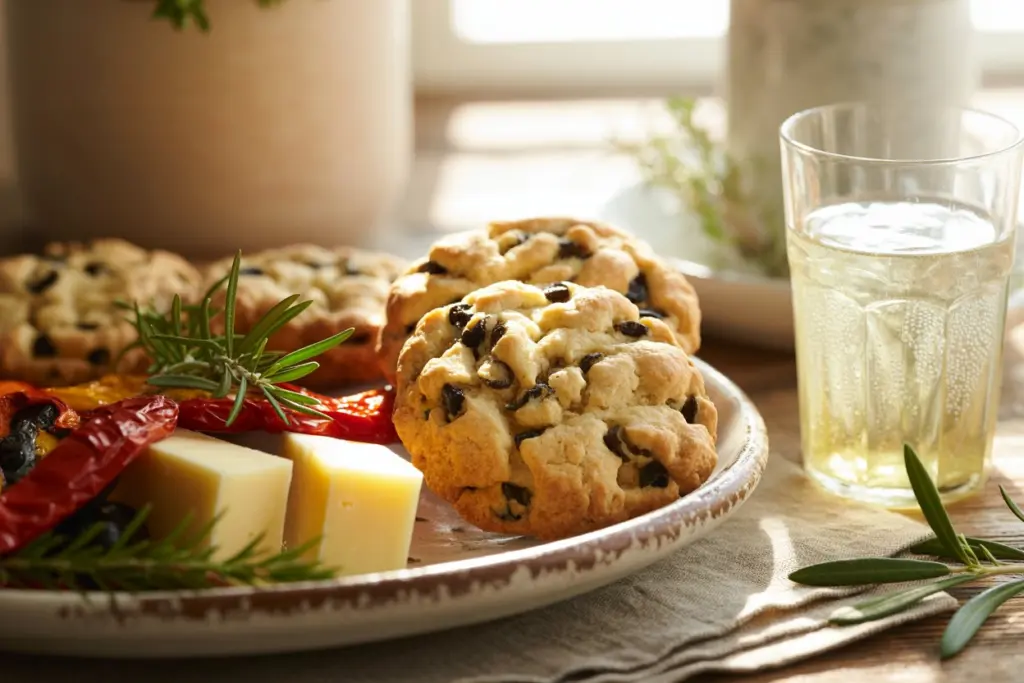
There’s something undeniably charming about pulling a tray of black olive biscuit cookies from the oven and arranging them next to a glass of sparkling water (leman soda) or a hot cup of espresso. These savory-sweet gems fit beautifully on both casual and elegant tables. They’re versatile enough for an afternoon snack yet refined enough to complement a dinner spread.
Here’s how I like to serve them for maximum impact:
- With Cheese Boards: Pair these cookies with creamy cheeses like brie or goat cheese for a rich, balanced bite.
- In Appetizer Platters: Add them to a Mediterranean appetizer platter with olives, roasted peppers, and Crispy Sourdough Fried Pickles cured meats.
- For Brunch or Tea Time: Serve them with citrus marmalade or fig jam for a delightful contrast.
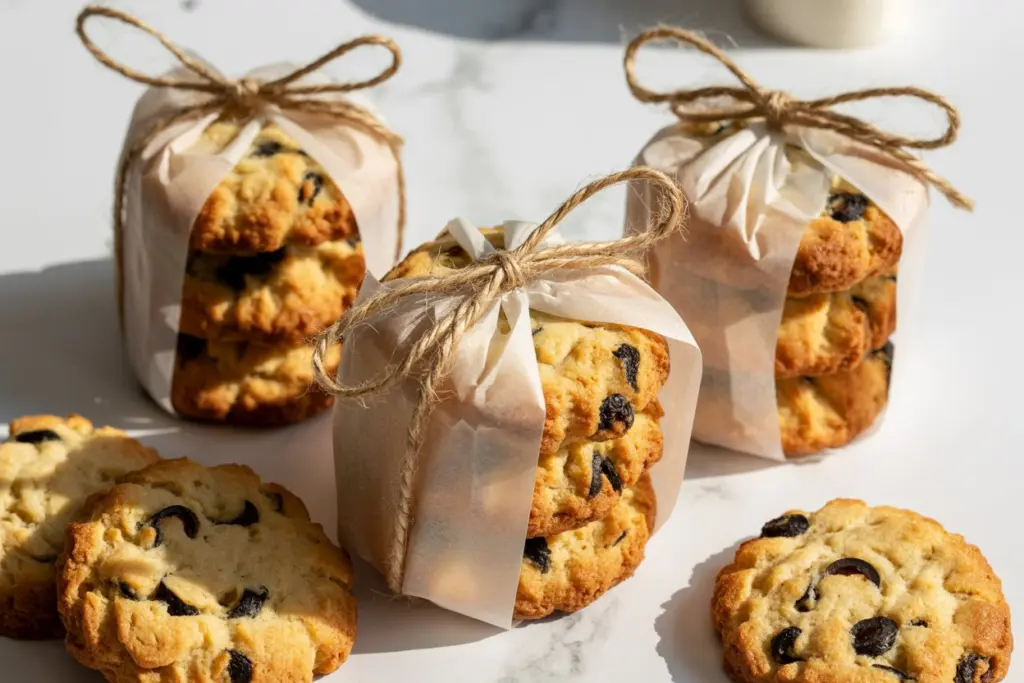
- As Party Favors: Stack a few cookies in kraft paper bags tied with twine, they make charming edible gifts.
When developing this recipe, I realized that these biscuits can hold their own in any spread, whether they’re the savory star or a supporting player next to classic snacks. Their adaptability reminds me of the magic in Mediterranean fusion cuisine, simple ingredients, bold flavors, and effortless elegance.
Storing & Gifting Tips
Like all biscuits, storage matters if you want to keep their delicate texture intact. When stored properly, these cookies stay crisp and flavorful for several days. The trick is to protect them from humidity and airflow.
Here’s how to keep them perfect:
- Airtight Containers: Store them in a sealed glass jar or tin once completely cooled.
- Avoid Refrigeration: Moisture in the fridge softens their texture, keep them at room temperature.
- Extend Shelf Life: For longer storage, freeze the unbaked dough instead of baked cookies. It stays fresh for up to 3 months.
- Refresh Before Serving: If they lose crispness, reheat in a 300°F oven for 3-4 minutes.
- Gift Idea: Wrap individual stacks in parchment and tie with a ribbon for festive occasions.
I often include these cookies in gift baskets with a jar of tapenade or a bottle of homemade olive oil cookies for a complete Mediterranean-inspired treat. Their versatility makes them ideal for any gathering, from casual picnics to cozy winter dinners.
The key is simplicity: let the ingredients shine, and you’ll always have a snack that’s as elegant as it is comforting.
FAQs
What do black olive biscuit cookies taste like?
They’re buttery, crisp, and gently salty, with a subtle sweetness that rounds out the flavor. The olives bring a pleasant depth, earthy and fruity rather than overpowering. They’re ideal for those who love the savory-sweet balance found in Mediterranean baking.
Can I use different types of olives for biscuit cookies?
Absolutely. You can substitute black olives with Kalamata or Niçoise olives, but make sure to rinse them well to remove excess brine. Each variety adds a unique note, Kalamata gives a deeper, while Niçoise adds a nutty richness. Avoid canned olives, as they can taste metallic once baked.
How do I store olive cookies to keep them crisp?
Cool the cookies completely before sealing them in an airtight tin or glass jar. Store at room temperature for up to a week. If they soften, warm them in the oven at 300°F for 3-4 minutes to restore that perfect crunch.
Are black olive biscuit cookies sweet or savory?
They sit deliciously in between. The butter and sugar bring a hint of sweetness, while the olives, herbs, and salt balance it out with a savory finish. This makes them versatile, great for both cheese boards and coffee breaks.
There’s something delightfully daring about baking with olives. The first time I combined them with butter, sugar, and flour, I learned that true creativity in the kitchen often starts where tradition ends. These black olive biscuit cookies embody that philosophy, they’re rustic, refined, and unexpectedly addictive.
Whether you’re sharing them as part of a Mediterranean appetizer platter or gifting them alongside homemade Crispy Pecan Crackers with Cranberries, they bring a taste of sun-drenched simplicity to your table. Try them once, and they’ll quickly earn a spot in your recipe rotation, a savory little secret that feels both bold and comforting.