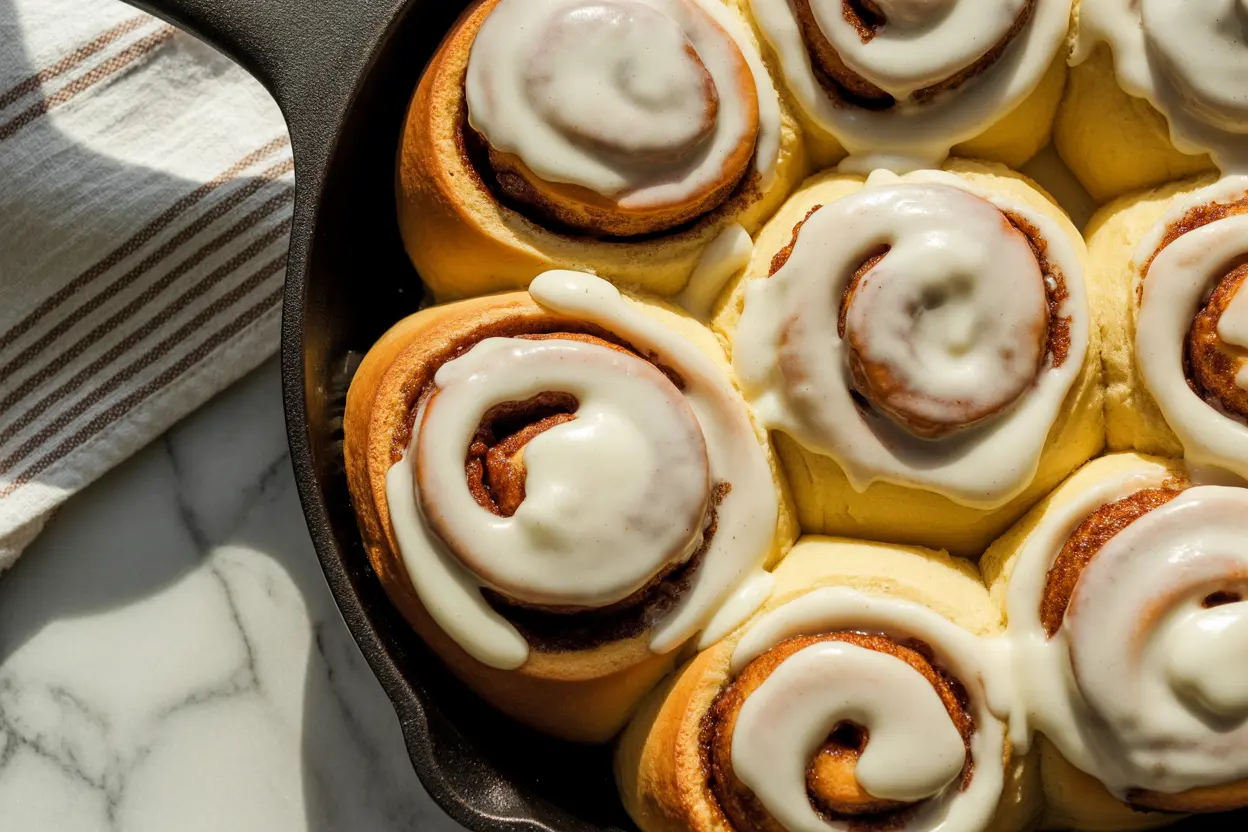
There’s something almost hypnotic about pulling a pan of sourdough cinnamon rolls out of the oven. The kitchen smells like butter, cinnamon, and slow-fermented dough, and suddenly everyone in the house appears like magic. I still remember the first time I made these in my Asheville kitchen. I expected good rolls, but what I got felt like a small victory, soft centers, golden edges, and that gooey swirl that melts into the frosting. If you’ve ever wanted bakery-style results at home, these rolls deliver. They look just like the photo, taste even better, and feel deeply comforting.
Table of Contents
Why Sourdough Cinnamon Rolls Are Different
Sourdough cinnamon rolls don’t just taste good; they taste alive. The natural fermentation changes everything, from flavor to texture.
The Magic of Natural Fermentation
A sourdough starter brings complexity you can’t replicate with commercial yeast. Instead of flat sweetness, you get a gentle tang that balances the sugar and butter. That balance keeps the rolls from feeling heavy. The fermentation also breaks down the flour slowly, which creates a dough that feels elastic and strong while staying tender after baking. Every bite feels layered, warm, and deeply satisfying.
You see this same cinnamon–sourdough harmony in Brown Sugar Cinnamon Swirl Sourdough Bread, where slow fermentation lets cinnamon and brown sugar melt into every layer instead of sitting on the surface.
Texture That Stays Soft for Days
One of the biggest surprises with sourdough cinnamon rolls is how long they stay soft. Thanks to long fermentation, the crumb retains moisture without additives. Even the next day, the rolls feel plush and tender. When warmed slightly, they return to that fresh-from-the-oven gooeyness that makes people close their eyes after the first bite.
Enriched sourdough doughs behave beautifully when handled right, just like in Honey Wheat Sourdough Dinner Rolls, which rely on fat and fermentation together to stay pillowy and fluffy long after baking.
Ingredients That Make the Rolls Ultra Gooey
Great rolls start with simple ingredients used the right way. Quality matters, but technique matters more.
Dough Ingredients Breakdown
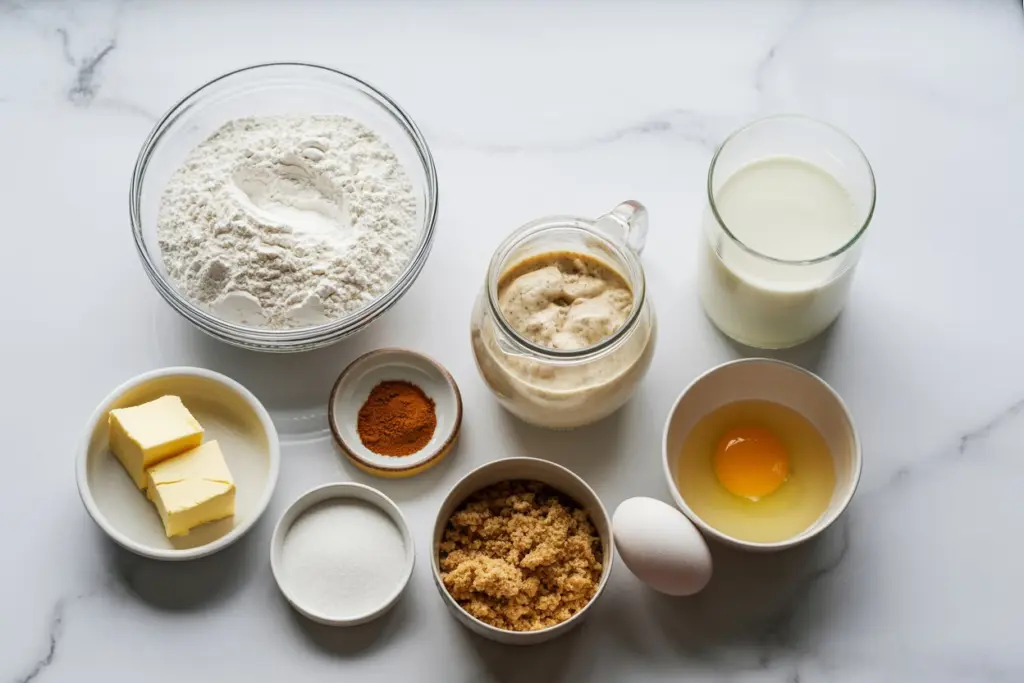
The foundation includes flour, milk, butter, sugar, eggs, salt, and an active sourdough starter. The starter does the heavy lifting, giving rise and flavor. Whole milk adds richness, while butter keeps the dough soft. Sugar feeds the fermentation and enhances browning. Every ingredient plays a role, and skipping quality here shows in the final texture.
You can see how ingredient balance affects softness in Flaky Sourdough Biscuit, where fat and hydration work together to produce a tender crumb instead of a chewy one.
Cinnamon Sugar Filling Essentials
The filling feels simple, yet it defines the roll. Soft butter spreads easily, brown sugar melts into the layers, and cinnamon brings warmth. A pinch of salt sharpens everything. When baked, the filling turns syrupy and sinks into the dough, creating that gooey center people crave.
You’ll recognize the same cinnamon-forward balance in Sourdough Cinnamon Muffins , where cinnamon flavor stays rich without overpowering the dough itself.
Step-by-Step Guide to Perfect Sourdough Cinnamon Rolls
Patience matters here, but the process stays approachable, even for beginners.
Mixing and Fermenting the Dough
Start by mixing all dough ingredients until fully combined. The dough should feel soft and slightly tacky. After mixing, let it rest briefly, then knead until smooth. Bulk fermentation happens at room temperature until the dough looks puffy and relaxed. This slow rise builds flavor and structure at the same time.
This relaxed approach mirrors techniques used in Same Day Sourdough Chocolate Knots Recipe, where proper rest and folding create soft dough without overworking it.
Rolling, Filling, and Shaping
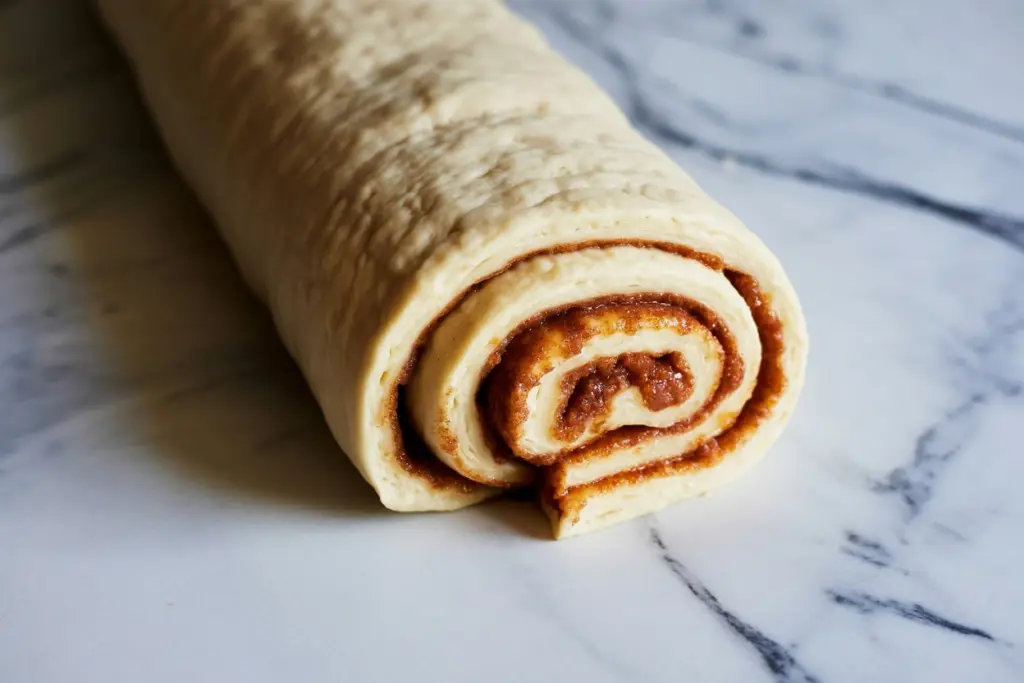
Once fermented, roll the dough into a rectangle. Spread butter evenly, sprinkle cinnamon sugar generously, and roll tightly from the long edge. Tight rolling creates defined swirls and prevents gaps. Slice evenly for uniform baking. Place the rolls snugly in a pan so they support each other as they rise.
These same shaping principles apply in Sourdough Cinnamon Raisin Bagels, where dough tension and spacing control chewiness and softness.
Baking for a Soft Center
Bake until the tops turn lightly golden and the centers feel set but soft. Overbaking dries them out fast. Pull them while they still feel slightly tender in the middle. They finish setting as they cool, locking in that gooey texture.
Creamy Frosting and Serving Tips
No cinnamon roll feels complete without frosting melting into the warm spirals.
Classic Cream Cheese Frosting
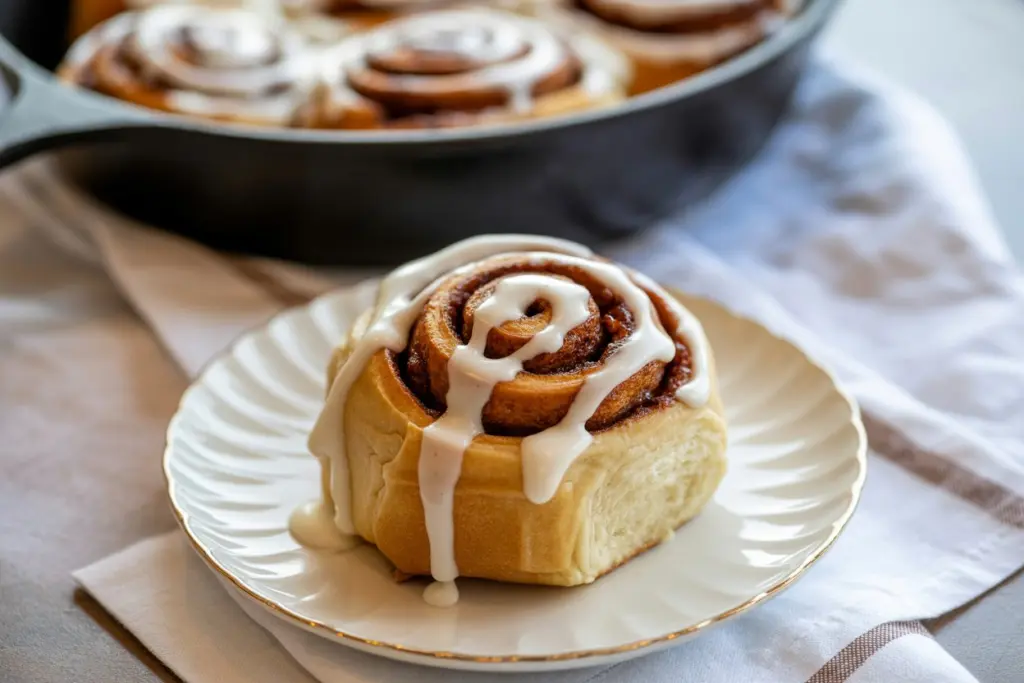
Cream cheese, butter, powdered sugar, and vanilla create a frosting that feels smooth and balanced. Spread it while the rolls stay warm so it melts into every crack. The frosting softens the top layer and adds richness without overpowering the sourdough flavor.
Timing matters. Spread icing while the rolls are warm, not hot. That way, it seeps into the swirls instead of sliding off the top.
You’ll find the same cozy, cinnamon-forward sweetness in Maple Cinnamon Sourdough Oatmeal Breakfast Bars, where icing and cinnamon work together without overpowering the base.
Serving, Storing, and Reheating
Serve warm for the ultimate experience. Store leftovers covered at room temperature for a day or refrigerate longer. Reheat gently to revive the softness. A quick warm-up makes them taste freshly baked again.
If you enjoy experimenting beyond rolls, explore Best Sourdough Dessert Recipes to Try for more ways sourdough shines in sweet baking.
Common Mistakes and Pro Tips
Even good dough can go wrong without small adjustments.
Troubleshooting Dense Rolls
Dense rolls often come from under-fermentation. Give the dough time to rise properly. Temperature matters too. A warm kitchen speeds fermentation, while a cooler one slows it down. Watch the dough, not the clock.
Make-Ahead and Overnight Options
You can shape the rolls and refrigerate overnight. In the morning, let them come to room temperature and rise before baking. This method works beautifully for relaxed weekends and special mornings.
Sourdough Cinnamon Rolls

Equipment
- Large mixing bowl
- Measuring cups and spoons
- Rolling Pin
- Sharp knife or dough cutter
- 9×13-inch baking dish
- Stand mixer or hand mixer (optional)
Ingredients
Dough
- 4 cups all-purpose flour
- 1 cup whole milk warm
- ½ cup active sourdough starter
- ⅓ cup granulated sugar
- 1 large egg
- ¼ cup unsalted butter melted
- 1 teaspoon salt
Filling
- ½ cup unsalted butter very soft
- ¾ cup brown sugar
- 2 tablespoons ground cinnamon
Frosting
- 4 ounces cream cheese softened
- ¼ cup unsalted butter softened
- 1 cup powdered sugar
- 1 teaspoon vanilla extract
Instructions
- Add the flour, warm milk, sourdough starter, sugar, egg, melted butter, and salt to a large mixing bowl and stir until a soft dough forms.
- Knead the dough by hand or mixer until smooth and elastic, about 6–8 minutes.
- Place the dough in a lightly greased bowl, cover, and let rest at room temperature until puffy and nearly doubled, 8-12 hours.
- Turn the dough out onto a lightly floured surface and roll into a large rectangle about ¼-inch thick.
- Spread the softened butter evenly over the dough.
- Sprinkle the brown sugar and cinnamon evenly across the buttered surface.
- Roll the dough tightly from the long edge into a log.
- Slice into 12 equal rolls and place them in a greased baking dish.
- Cover and let rise for 1-2 hours, until the rolls look soft and slightly expanded.
- Preheat the oven to 350°F (175°C).
- Bake for 22-25 minutes, until lightly golden and set in the center.
- Beat the cream cheese, butter, powdered sugar, and vanilla until smooth.
- Spread the frosting over the warm rolls before serving.
Notes
- Calories: 420
- Carbohydrates: 55g
- Fat: 18g
- Protein: 8g
FAQs
Why are my sourdough cinnamon rolls dry?
Overbaking or too much flour usually causes dryness.
Can I freeze sourdough cinnamon rolls?
Yes. Freeze baked rolls without frosting and thaw before reheating.
How do I keep sourdough cinnamon rolls gooey after baking?
Gooey texture depends on:
Not overbaking
Spreading icing while rolls are warm
Reheating gently with moisture
Avoid high heat when reheating, or the centers will dry out quickly.
Can I make sourdough cinnamon rolls overnight?
Yes, overnight fermentation works beautifully. Shape the rolls, cover tightly, and refrigerate. In the morning, let them warm slightly, then bake. This method deepens flavor and often improves softness.
Soft and gooey sourdough cinnamon rolls reward patience in the best way possible. They bring warmth, comfort, and a sense of accomplishment that store-bought rolls never match. When you pull them from the oven and watch the frosting melt into the swirls, you’ll know the wait paid off. These rolls don’t just feed people; they bring them together.