Sourdough buttermilk bread made with an overnight sponge is all about patience paying off. Instead of rushing fermentation in a single day, this method allows flavor, structure, and digestibility to develop slowly and naturally. The result is a loaf that’s soft yet strong, mildly tangy, and far more predictable than quick sourdough methods.
By fermenting part of the flour overnight, you build a solid foundation before the final dough even exists. This approach reduces stress during baking day and gives the bread a depth of flavor that simply can’t be achieved with short fermentation.
Table of Contents
Why This Sourdough Buttermilk Bread Is Different
Traditional sourdough often focuses on open crumb and chewy texture. Buttermilk shifts that balance. It tenderizes the dough, smooths out sharp acidity, and creates a finer crumb without sacrificing structure.
What Makes It Special for Home Bakers
This dough is forgiving. The buttermilk slows fermentation slightly, making timing easier to manage. That means fewer overproofed disasters and more consistent results.
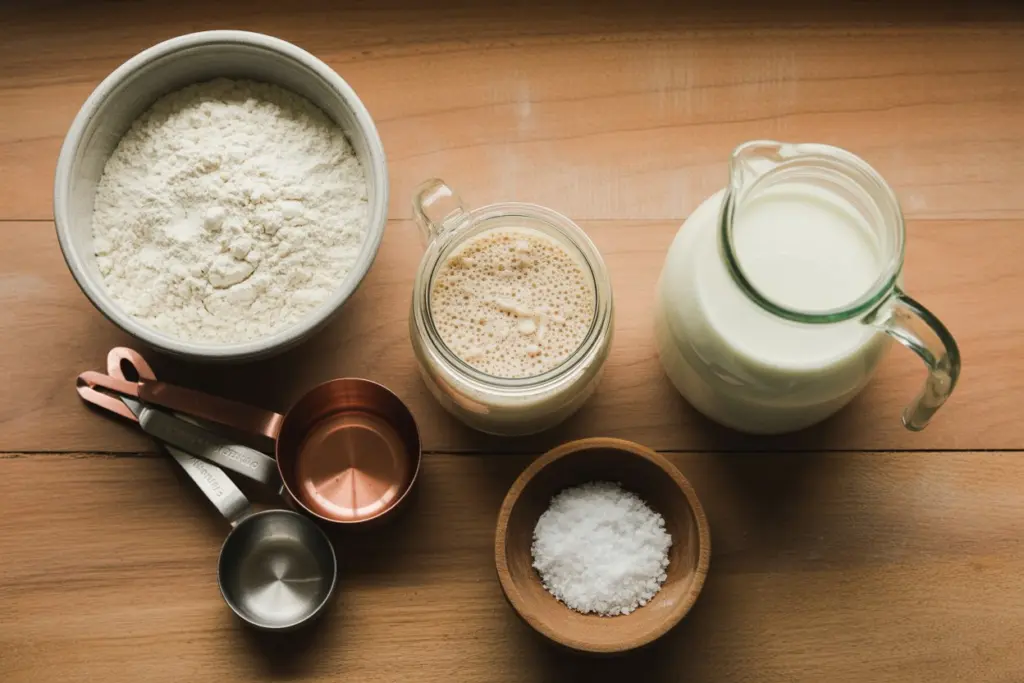
Understanding the Key Ingredients
Sourdough Starter in Long Fermentation
Because fermentation starts overnight, the starter doesn’t need to be extremely strong. A moderately active starter works best, providing steady gas production without overwhelming the dough. The long timeline allows even a gentle starter to fully contribute.
The Role of Buttermilk Over Time
Buttermilk’s acidity complements sourdough fermentation beautifully. Over many hours, it helps soften gluten, enhances browning, and rounds out sharp sour notes. It also adds moisture retention, keeping the loaf soft for longer after baking.
Flour Choices That Support Long Fermentation
Bread flour provides the strength needed to withstand extended fermentation, while a portion of all-purpose flour can soften the crumb. Long fermentation benefits from flours that hydrate well and maintain structure over time.
Salt, Fat, and Hydration Balance
Salt is especially important in long fermentation, it slows yeast activity and prevents overproofing. A small amount of fat, such as butter, further tenderizes the crumb without interfering with structure.
Why Use the Overnight Sponge Method
Flavor Development Over Time
Most sourdough flavor comes from time, not effort. The overnight sponge allows organic acids and aromatic compounds to develop slowly, producing complexity without harshness.
Improved Dough Strength and Handling
By the time final mixing begins, the dough already has structure. This reduces kneading, improves elasticity, and makes shaping easier, even for beginners.
Consistency From Bake to Bake
Because fermentation is front-loaded into the sponge, results become more repeatable. Temperature fluctuations during the day have less impact on the final outcome.
Why Use Buttermilk in Sourdough Bread
Acidity and Fermentation
Buttermilk lowers the dough’s pH slightly, helping control wild yeast activity. This results in a steadier rise and more predictable fermentation.
Texture and Tenderness Benefits
The proteins in buttermilk coat gluten strands, preventing excessive toughness. The crumb becomes soft but still elastic.
Flavor Depth Compared to Water-Based Doughs
Water-based sourdough can taste sharp. Buttermilk rounds out that acidity, giving a creamy, balanced flavor.
The Science Behind the Crumb (Overnight Sponge Method)
How Gluten Develops During the Overnight Sponge
With the overnight sponge method, gluten development begins long before the final dough is mixed. During the 12–14 hour rest, flour slowly hydrates and proteins naturally align without mechanical effort. This gentle, time-driven gluten formation means the sourdough buttermilk bread dough needs fewer folds later and feels smoother and more extensible from the start.
Instead of forcing strength through kneading, the sponge allows gluten to mature naturally, resulting in a dough that’s strong yet relaxed, ideal for consistent shaping and oven spring.
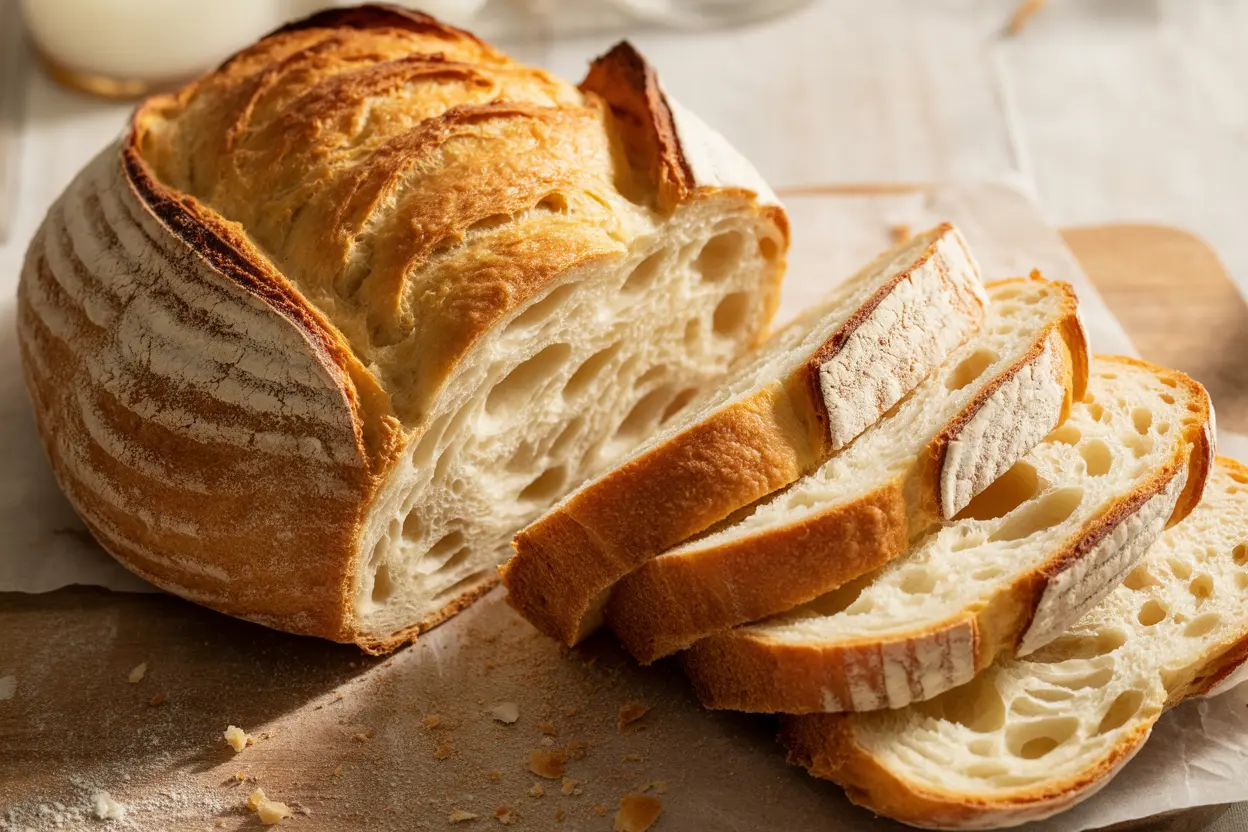
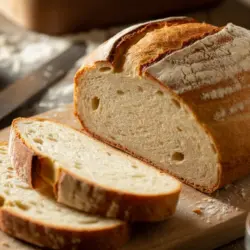
Why This Bread Has Smaller, Softer Holes
The combination of long pre-fermentation and buttermilk creates a more controlled gas structure. The sponge develops steady, even fermentation overnight, while buttermilk slightly tightens gluten strands. Together, they prevent oversized air pockets and encourage a uniform crumb.
This is why sourdough buttermilk bread made with an overnight sponge bakes up light but refined, with soft, evenly distributed holes instead of dramatic tunnels.
Ideal for Sandwiches and Toast
The tighter crumb structure makes this sourdough buttermilk bread loaf especially practical. Slices hold spreads, fillings, and moisture without tearing, making it perfect for sandwiches, toast, and everyday use.
Step-by-Step Dough Process (Overnight Sponge Method)
Mixing the Dough After the Sponge
Once the overnight sponge is fully fermented, bubbly, domed, and aromatic, the remaining ingredients are added. Because much of the gluten and flavor development is already complete, the final mix comes together quickly. The dough should feel soft, slightly elastic, and well-hydrated without being sticky.
Resting After Mixing
A short rest after mixing allows the new flour and buttermilk to fully integrate with the sponge. This pause improves extensibility and reduces the need for aggressive handling later.
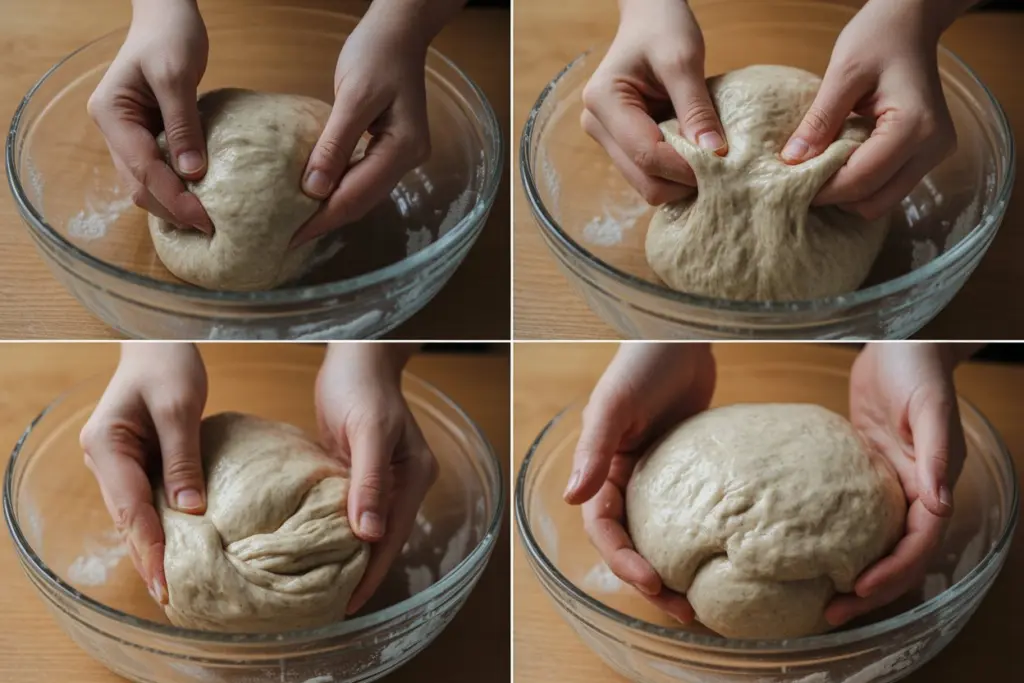
Stretch and Fold Technique
Only a few gentle stretch-and-fold sets are needed with this method. Each fold reinforces structure without degassing the dough. Because the sponge has already built strength, overworking is unnecessary and can actually reduce tenderness.
Bulk Fermentation Timing
Bulk fermentation is shorter and more predictable than standard sourdough. Typically lasting 4-6 hours, the dough should show gentle expansion, a smooth surface, and visible air bubbles, not rapid doubling.
Shaping and Final Proof
Pre-Shaping Tips
Pre-shaping is especially important here because the dough is well-developed. A light pre-shape helps organize the gluten and prepares the loaf for its final structure without tightening it too much.
Final Shape for Even Baking
A firm but gentle final shape encourages upward rise and balanced oven spring. Since fermentation is already advanced from the sponge, shaping should focus on structure rather than tension.
Cold Proof vs Room Temperature Proof
Cold proofing works exceptionally well with an overnight sponge. It enhances flavor, improves scoring, and gives the dough extra strength. Room temperature proofing is faster but should be monitored closely to avoid overproofing.
Baking Sourdough Buttermilk Bread
Oven Setup and Steam
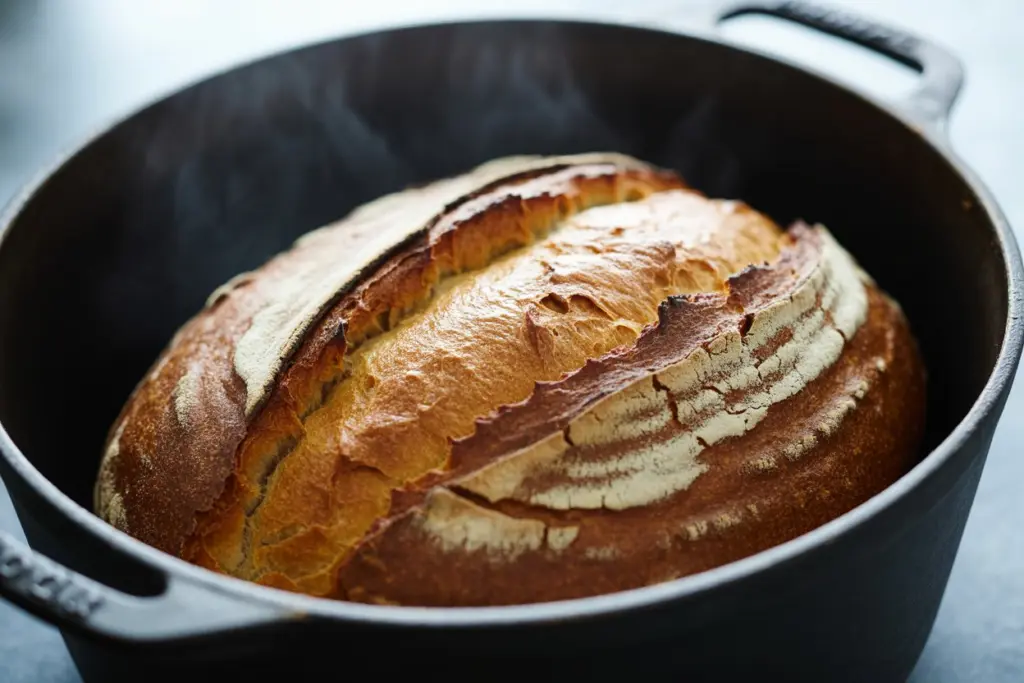
Strong initial heat and steam are essential to activate oven spring. The dough responds quickly because fermentation is well-established, producing a controlled rise and thin, crisp crust.
Crust Color and Internal Temperature
Expect deeper browning thanks to the acids and milk sugars from buttermilk. Bake until the crust is evenly golden and the loaf feels light for its size.
Cooling and Slicing Correctly
Cooling is especially important with enriched sourdough. Let the loaf rest fully so the crumb sets and moisture redistributes evenly.
Texture, Flavor, and Aroma
What to Expect from the First Slice
The crumb is soft, supple, and slightly creamy, with a mild tang and subtle dairy richness. The crust stays thin rather than tough.
How Flavor Improves Over Time
Thanks to the overnight sponge, flavor continues to mature after baking. The bread tastes even better the next day, with deeper complexity and smoother acidity.
Common Mistakes and How to Fix Them
Dense Crumb Problems
Most often caused by an under-fermented sponge or inactive starter. The sponge should be fully expanded and bubbly before mixing the final dough.
Over-Fermentation Issues
If the dough feels fragile or collapses during shaping, bulk fermentation was too long. Shorten bulk time rather than reducing sponge fermentation.
Pale Crust Fixes
A pale crust usually means insufficient baking time or oven heat. Increase bake duration or ensure proper preheating, especially when using a Dutch oven.
Variations to Try
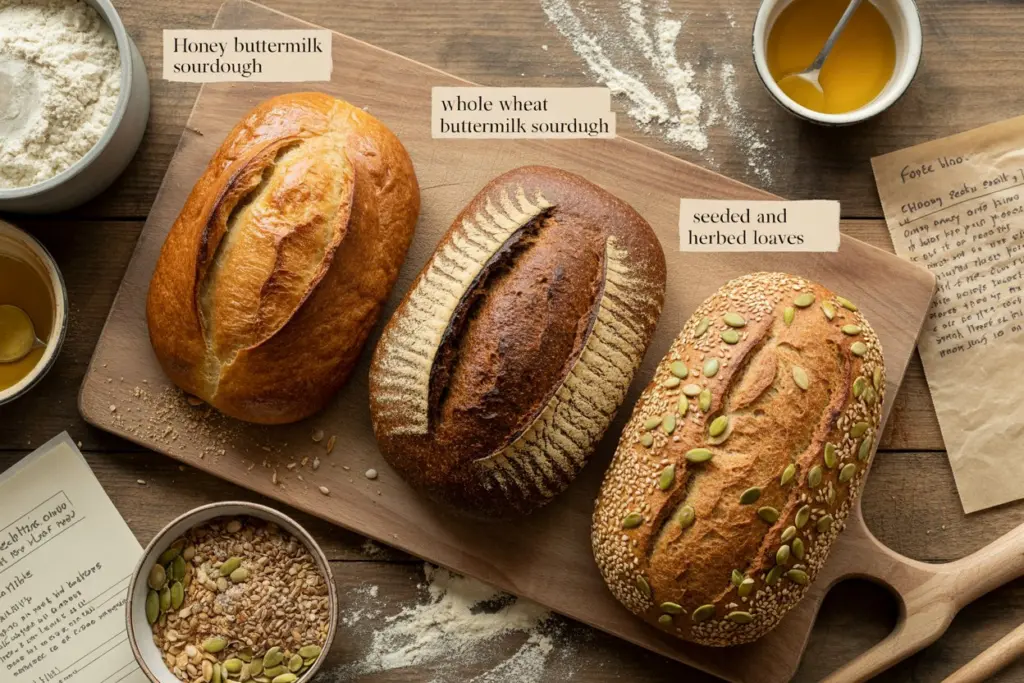
Honey Buttermilk Sourdough
Honey works exceptionally well with overnight fermentation. Its natural sugars feed yeast slowly and enhance browning without speeding fermentation too much.
Whole Wheat Buttermilk Sourdough
Replacing part of the flour with whole wheat adds nutrition and flavor. Long fermentation helps soften bran and improves digestibility.
Seeded and Herbed Loaves
Seeds and herbs are best added during final mixing so they don’t interfere with sponge fermentation. The long proof still allows their flavors to fully infuse the dough.
And when you’re ready for more rustic bakes, browse the Sourdough Banana Bread, Double Chocolate Sourdough Bread or Cranberry Orange Sourdough Bread for my most loved loaves.
Storage and Shelf Life
Counter Storage
Thanks to natural acids produced during long fermentation, this bread stays fresh longer than commercial loaves. Stored properly, it remains soft for up to two days.
Freezing for Later Use
Long-fermented bread freezes exceptionally well. Slice before freezing so you can toast individual pieces without thawing the entire loaf.
Serving Ideas
Best Uses for Sandwiches
The even crumb from overnight fermentation makes this bread ideal for sandwiches. No large holes, no collapsing slices, just clean, sturdy structure.
Toasting and Breakfast Ideas
Toast enhances the subtle dairy notes from buttermilk. Pair with butter, honey, eggs, or savory spreads for a balanced breakfast.
Health and Digestibility Benefits
Fermentation and Gut Comfort
Extended fermentation breaks down phytic acid and complex carbohydrates, making nutrients easier to absorb and the bread gentler on digestion.
Lower Glycemic Impact
Long-fermented bread tends to digest more slowly, helping reduce sharp blood sugar spikes compared to fast-rise breads.
Why the Overnight Sponge Method Is Ideal for Beginners
Forgiving Fermentation Window
Because most fermentation happens overnight, timing during the day becomes flexible. The dough is far less sensitive to minor delays.
Reliable Results Without Overthinking
This method removes much of the guesswork from sourdough baking. If the sponge looks ready, the bread almost always bakes well.
Sourdough Buttermilk Bread (Overnight Sponge Method)

Equipment
- Large mixing bowl
- Dough scraper
- Proofing basket or bowl
- Dutch oven with lid
- Sharp blade or bread lame
- Cooling rack
Ingredients
Overnight Sponge
- 120 g active sourdough starter
- 240 g buttermilk
- 240 g bread flour
Final Dough
- All of the overnight sponge
- 120 g buttermilk
- 260 g bread flour
- 10 g salt
- 20 g unsalted butter softened
Instructions
- In a large bowl, mix the sourdough starter, buttermilk, and bread flour until fully combined and no dry flour remains. Cover and rest at room temperature for 12-14 hours.
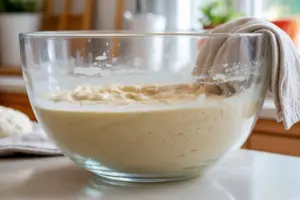
- Add the remaining buttermilk, bread flour, salt, and butter to the sponge. Mix until a shaggy dough forms.
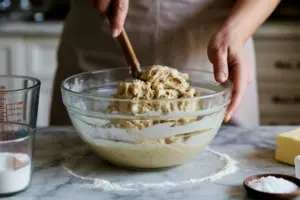
- Rest the dough for 30 minutes to allow hydration.
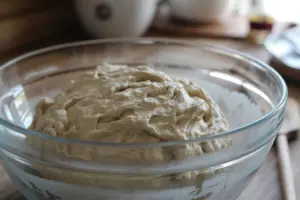
- Perform 3-4 sets of stretch and folds every 30 minutes until the dough becomes smooth and elastic.
- Cover and allow the dough to bulk ferment at room temperature until slightly puffy and increased in volume, about 4-6 hours.
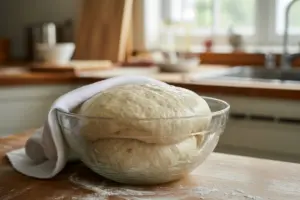
- Shape the dough into a tight round or oval loaf and place seam-side up in a floured proofing basket.
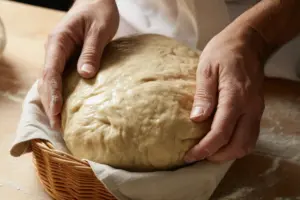
- Proof at room temperature for 1-2 hours or refrigerate for 8-12 hours for deeper flavor.
- Preheat the oven to 230°C (450°F) with a Dutch oven inside.
- Score the dough, transfer it into the hot Dutch oven, cover, and bake for 25 minutes.
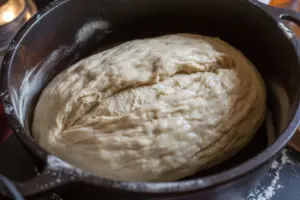
- Remove the lid and bake for another 15-20 minutes until deeply golden.
- Cool completely on a wire rack before slicing.
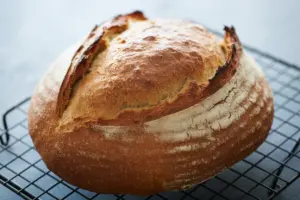
Notes
- Calories: 165 kcal
- Carbohydrates: 28 g
- Protein: 5 g
- Fat: 3 g
- Fiber: 1 g
FAQs
Can I bake this without a Dutch oven?
Yes, but steam is still important for good rise.
How long should bulk fermentation last?
Usually 4–6 hours, depending on temperature and starter strength.
What is the difference between regular and buttermilk sourdough?
Regular sourdough uses water as its main liquid, creating a sharper tang and chewier texture. Sourdough buttermilk bread, on the other hand, replaces water with buttermilk, resulting in a softer crumb and mild, buttery flavor. The buttermilk’s natural acidity helps tenderize gluten and adds richness that balances the bread’s sour notes beautifully.
Can I use buttermilk instead of water in any sourdough recipe?
You can, but with a few adjustments. Buttermilk is thicker and slightly acidic, which affects hydration. When substituting, reduce the total liquid by about 10% and monitor dough texture. This swap works especially well in rustic loaves or biscuits but may not suit recipes requiring high hydration like baguettes.
Does buttermilk sourdough rise as well as regular sourdough?
Yes, sometimes even better. The lactic acid in buttermilk strengthens gluten and supports yeast growth, leading to a steady, controlled rise. Because the dough is more supple, it often yields a taller loaf with a more open crumb and slightly golden hue once baked.
How does the “Overnight Sponge” method work?
The overnight sponge method lets your starter, flour, and buttermilk ferment slowly for 8-12 hours before mixing the final dough. This long rest allows natural yeast to produce gas and flavor compounds. By morning, the sponge is airy, tangy, and ready to bring incredible depth to your final loaf. It’s the secret to the full-bodied flavor and light texture of sourdough buttermilk bread.
Is buttermilk sourdough healthier?
Yes, it’s easier to digest and rich in nutrients. Buttermilk adds probiotics, calcium, and enzymes that complement the fermentation benefits of sourdough. Together, they improve gut health, enhance flavor, and make each slice more nourishing than standard yeast breads.
Sourdough buttermilk bread bridges the gap between artisan baking and everyday comfort. It’s soft without being bland, flavorful without being sharp, and sturdy enough for daily use. Whether you’re new to sourdough or looking to refine your loaves, this bread deserves a permanent place in your kitchen.
If you’re eager to expand your bread-making journey, my Sourdough Banana Bread and Sourdough Sandwich Bread Recipe are perfect next steps.