There’s something magical about a freshly baked gingerbread cake. The aroma of molasses, cinnamon, and cloves drifting through the kitchen signals that the holidays have arrived. Whether you’re baking for a family gathering or just craving something warm on a chilly evening, this cake delivers comfort in every bite. Its soft crumb, rich spice, and creamy frosting make it irresistible. Plus, it’s simple enough for beginners yet special enough for festive occasions. If you love cozy, old-fashioned desserts, explore more in my Christmas Cookies recipes for inspiration.
Table of Contents
Why This Gingerbread Cake Stands Out
Unlike dense or overly sweet versions, this gingerbread cake stays tender thanks to a splash of hot water that activates the baking soda and creates a fluffy crumb. The real secret? Using robust molasses that deepens the flavor without bitterness. Paired with silky cream cheese frosting, it’s a combination that feels festive yet familiar.
Whether you’re serving it at a Christmas brunch or pairing it with morning coffee, it’s a guaranteed crowd-pleaser. The spices bloom beautifully after a day, so it’s even better the next morning, a small miracle for make-ahead hosts. If that sounds like your kind of baking, my spice blend will help you master the perfect flavor balance for this cake and beyond.
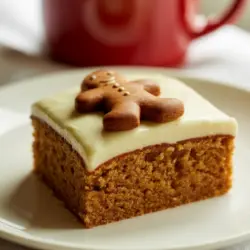
Gingerbread Cake

Equipment
- 9×13-inch baking pan
- Two mixing bowls
- Electric mixer or whisk
- Rubber Spatula
- Measuring cups and spoons
- Wire cooling rack
Ingredients
- 2 ½ cups all-purpose flour
- ½ cup unsalted butter softened
- ¾ cup dark molasses
- ½ cup brown sugar
- 2 large eggs
- 1 teaspoon ground ginger
- 1 teaspoon ground cinnamon
- 1 teaspoon ground cloves
- 1 ½ teaspoons baking soda
- 1 cup boiling water
- Pinch of salt
Optional Frosting
- 8 oz cream cheese softened
- ¼ cup butter softened
- 2 cups powdered sugar
- 1 teaspoon vanilla extract
Instructions
- Preheat your oven to 350°F (175°C). Grease or line a 9×13-inch baking pan with parchment paper.

- In a large bowl, cream together butter and brown sugar until fluffy.
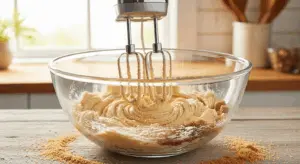
- Beat in eggs one at a time, then stir in molasses.
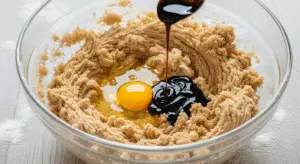
- In another bowl, whisk together flour, baking soda, salt, and spices.
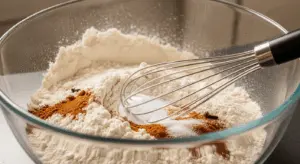
- Gradually add dry ingredients to wet ingredients, alternating with boiling water. Stir until smooth.
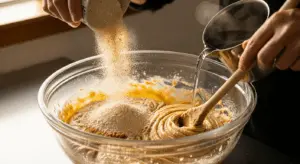
- Pour batter into prepared pan and spread evenly.
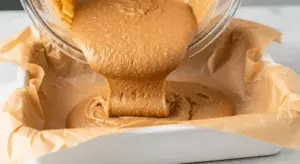
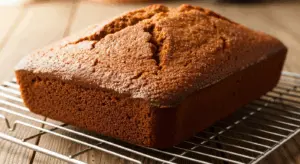
- Bake for 35-40 minutes, or until a toothpick inserted in the center comes out clean.
- Let cake cool completely on a wire rack before frosting.
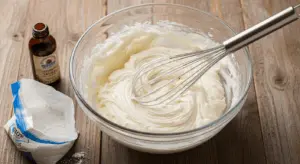
- For frosting, beat cream cheese and butter until creamy, then add powdered sugar and vanilla.
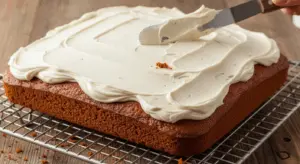
- Spread frosting over cooled cake and serve.
Notes
- Calories 290 kcal
- Protein 4 g
- Carbohydrates 45 g
- Fat 12 g
- Saturated Fat 7 g
- Cholesterol 55 mg
- Sodium 170 mg
- Sugar 28 g
- Fiber 1 g
Ingredients & Baking Method
Essential Ingredients for the Best Gingerbread Cake
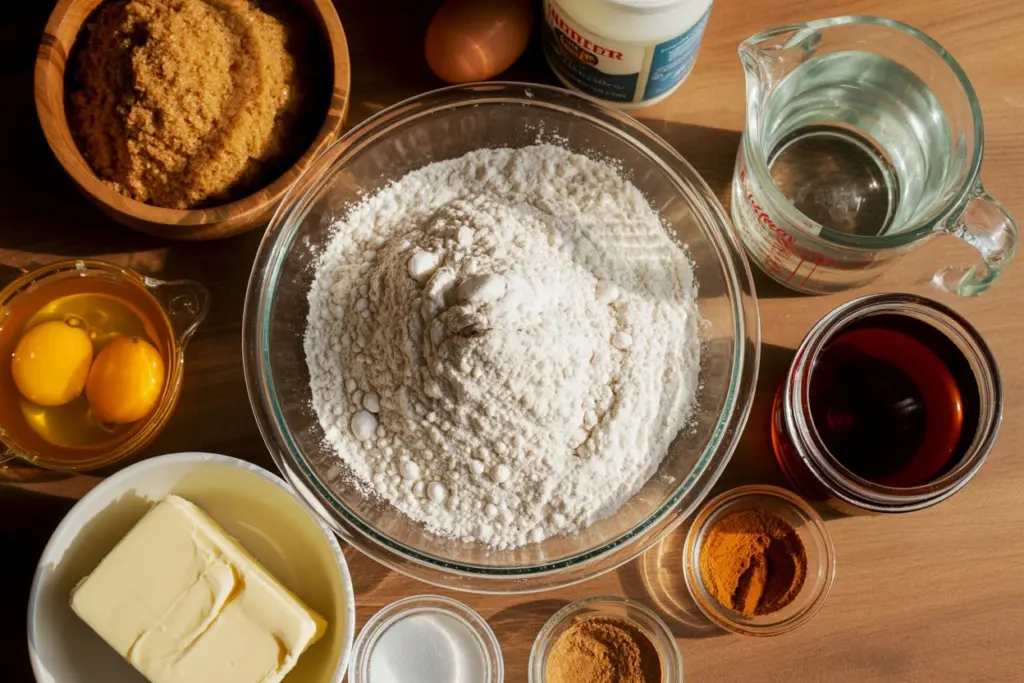
The beauty of this gingerbread cake lies in its simplicity, each ingredient plays a role in building flavor, moisture, and warmth. Before you preheat the oven, take a moment to gather everything you need. Using fresh spices makes a world of difference; ground ginger and cinnamon should smell vibrant, not muted.
Here’s a quick look at the essentials you’ll need:
| Ingredient | Substitutes |
|---|---|
| All-purpose flour | Use whole wheat pastry flour or a 1:1 gluten-free blend for a lighter texture. |
| Unsalted butter, softened | Substitute with coconut oil or plant-based butter for a dairy-free option. |
| Dark molasses | Use light molasses for milder flavor or honey for a floral sweetness. |
| Brown sugar | Replace with coconut sugar or white sugar mixed with 1 tsp molasses. |
| Large eggs | Use flax eggs (1 tbsp flaxseed + 3 tbsp water) or applesauce for a vegan option. |
| Ground ginger, cinnamon, cloves | Try pumpkin pie spice or chai spice blend for a new flavor profile. |
| Baking soda | Replace with 1 tsp baking powder and ½ tsp cream of tartar if needed. |
| Boiling water | Swap with hot brewed coffee for a deeper, richer flavor. |
Step-by-Step Baking Process Made Simple
Preheat your oven to 350°F (175°C). Grease a 9×13-inch pan or line it with parchment paper. In a large bowl, cream together the butter and brown sugar until fluffy, then mix in the molasses and eggs. Combine all dry ingredients in a separate bowl, whisking them until uniform. Gradually add the dry mix to the wet mixture, alternating with boiling water. The batter will seem thin, that’s how you get a perfectly tender crumb.
Pour the batter evenly into your pan and bake for 35-40 minutes, or until a toothpick inserted in the center comes out clean. Let it cool before frosting.
If you’re new to baking, try my Moist Pumpkin Spice Bar or my easy Pumpkin Spice Donuts.
Frosting, Serving & Storage Tips
Velvety Cream Cheese Frosting for Gingerbread Cake
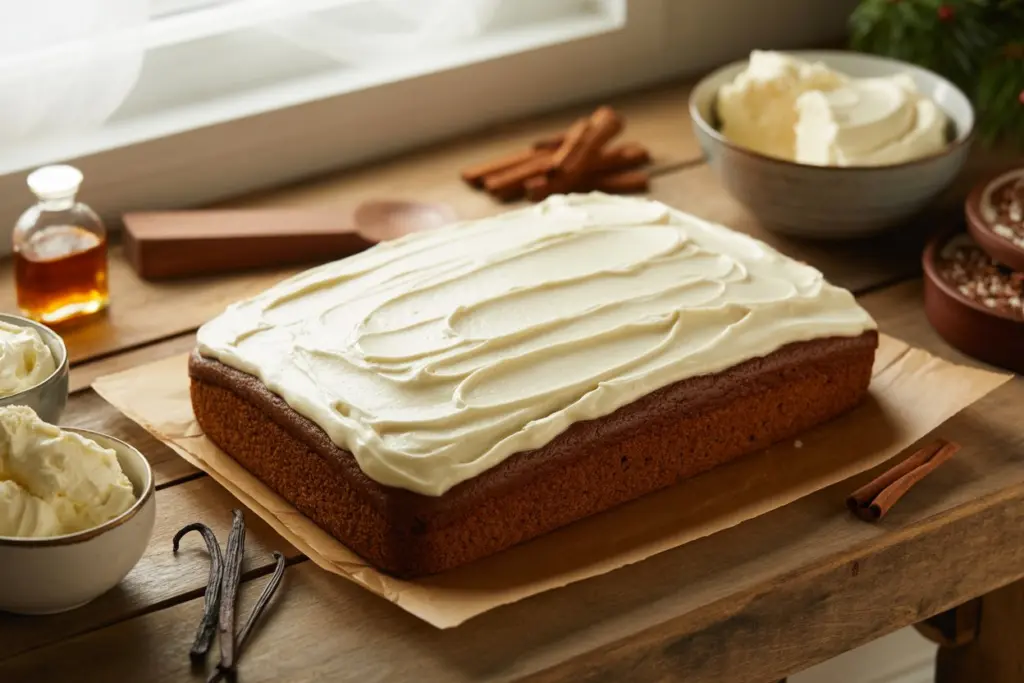
A moist gingerbread cake deserves an equally irresistible topping, and cream cheese frosting is the perfect match. The tanginess from cream cheese balances the rich molasses and warm spices, creating that melt-in-your-mouth contrast everyone craves. To make it, beat together one block of softened cream cheese with half a stick of butter until smooth. Slowly add powdered sugar and a splash of vanilla until it’s creamy, thick, and glossy. Spread it generously over the cooled cake, letting it swirl naturally into soft peaks.
For extra flavor, try adding a hint of lemon zest or maple syrup for a sweet twist. You can explore my tried-and-true cream cheese frosting recipe to master the perfect consistency every time. If you prefer something lighter, a simple whipped cream topping also works beautifully with this spiced base.
Serving & Storing Your Gingerbread Cake
When it comes to serving, there’s no wrong way to enjoy this cake. I love slicing it warm and pairing it with freshly brewed coffee on cold mornings. For holiday gatherings, add a dusting of powdered sugar or top it with little gingerbread cookies for extra charm.
If you’re looking for ways to style your dessert table, try my festive Christmas Cookie Cake for presentation tips that’ll make your cake shine.
Store leftover gingerbread cake in an airtight container at room temperature for up to three days, or refrigerate for up to a week. To freeze, wrap individual slices tightly in plastic wrap, then foil, and store for up to two months. When ready to serve, thaw overnight in the fridge and let it reach room temperature before frosting again.

Variations & Expert Tips
Creative Gingerbread Cake Variations
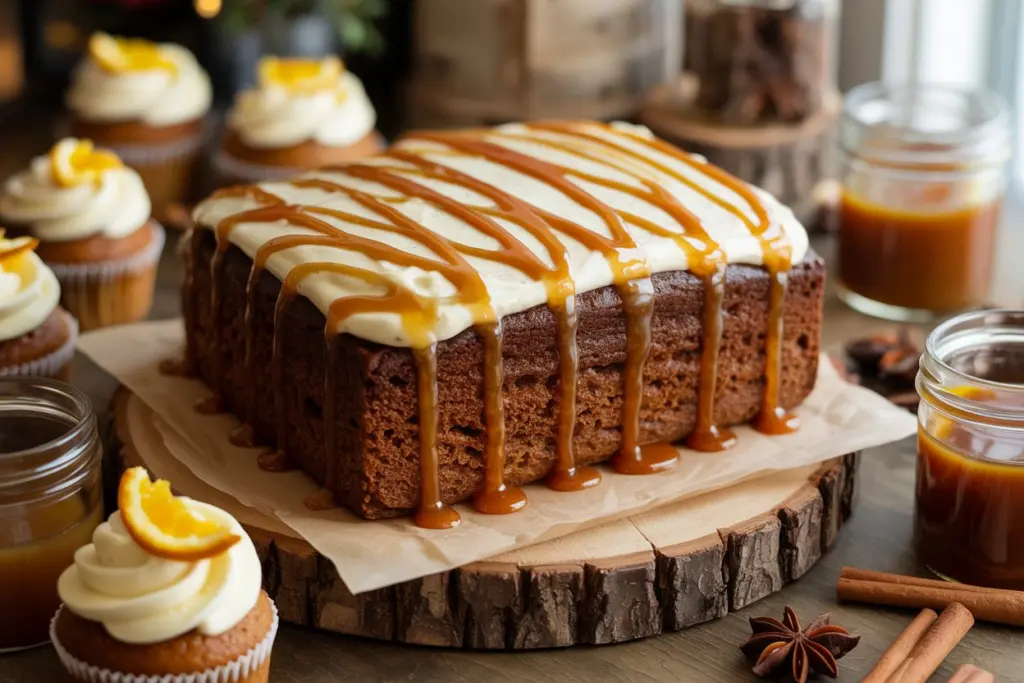
One of the reasons I love this gingerbread cake recipe is its flexibility. Once you’ve mastered the base version, you can have fun experimenting with new flavors and textures. Add orange zest to brighten the spice profile or drizzle a rich caramel sauce over the top for indulgence. You can even bake the batter in muffin tins for bite-sized treats that are perfect for gifting.
If you’re feeling adventurous, caramel drizzle sauce adds a glossy, buttery finish that pairs beautifully with the tangy frosting. Or, turn this batter into cupcakes using my Pumpkin Cupcakes, it automatically adjusts ingredient ratios for smaller portions while keeping that signature spice intact.
Expert Tips for a Moist and Spicy Gingerbread Cake
To get the most out of this cake, pay attention to small details. Don’t overmix the batter, stir just until the flour disappears. That keeps the crumb soft. Always use fresh spices, as older ones lose their punch. If your kitchen runs cool, bring the molasses and eggs to room temperature before mixing to help the batter blend smoothly.
When baking for a crowd, double the recipe and bake it in two smaller pans for even cooking. This trick also makes freezing leftovers easier.
For more ideas that bring holiday warmth to your table, browse my holiday collection, it’s packed with festive recipes that complement this cake perfectly.
FAQs
What’s the best molasses to use for gingerbread cake?
Use unsulfured dark molasses for deep flavor without bitterness. Avoid blackstrap molasses, it’s too strong. For a milder taste, mix light and dark molasses in equal parts.
Can you freeze gingerbread cake with frosting?
Yes, absolutely. Slice and wrap each piece tightly in plastic wrap, then foil, before freezing. It’ll last up to two months. Thaw in the fridge overnight, then bring to room temperature before serving for the best texture.
What makes gingerbread cake different from gingerbread cookies?
Gingerbread cake is soft, moist, and spongy, while cookies are crisp and dense. The cake uses hot water and molasses for tenderness, whereas cookies rely on a firmer dough.
How do you keep gingerbread cake moist?
Use fresh molasses, do not overbake, and store it in an airtight container once cooled. You can even brush the top lightly with warm syrup before frosting.
There’s something timeless about baking gingerbread cake during the holidays. The scent alone can turn an ordinary evening into something special. From its moist crumb to the gentle spice that lingers with every bite, this cake is comfort in edible form. Whether you frost it with cream cheese, top it with caramel, or enjoy it plain, it brings warmth to every table it graces. I hope this recipe inspires you to slow down, bake from the heart, and share something truly homemade. Explore more cozy desserts in my home baking hub.