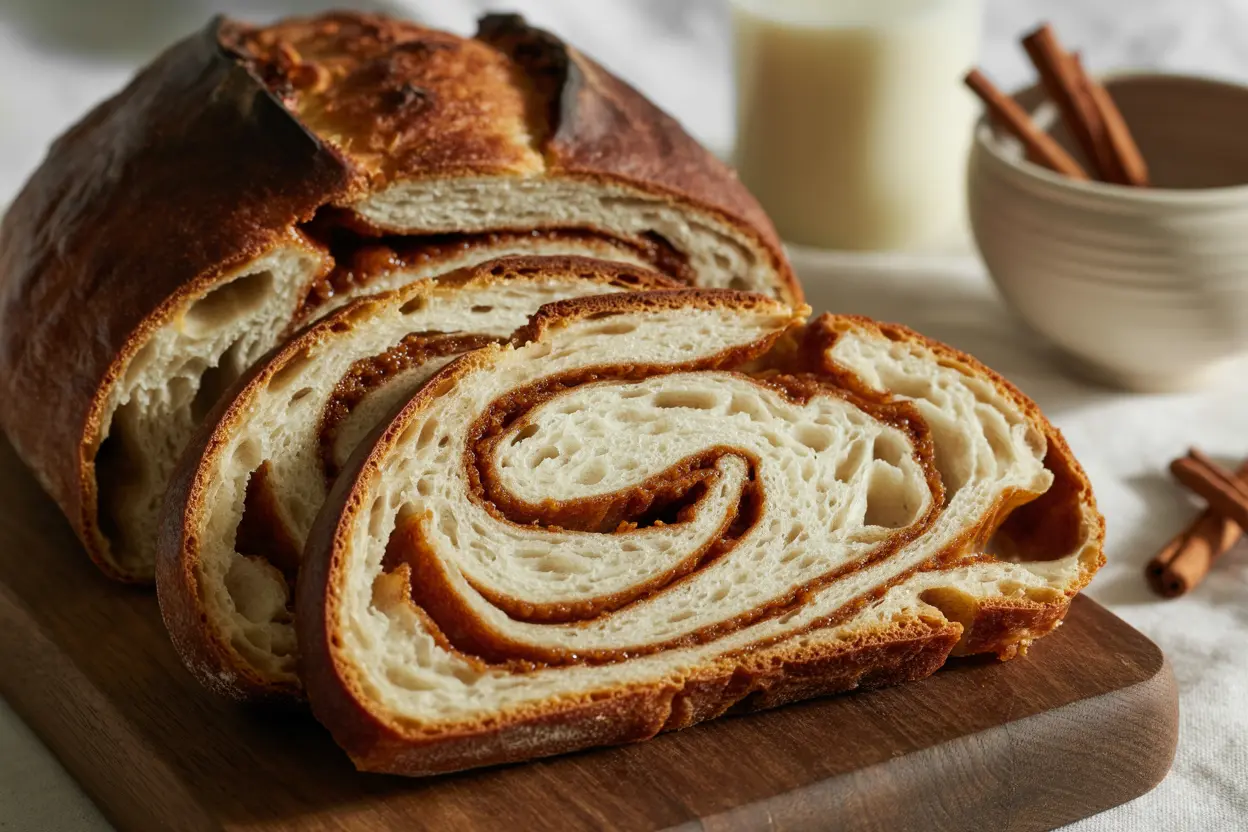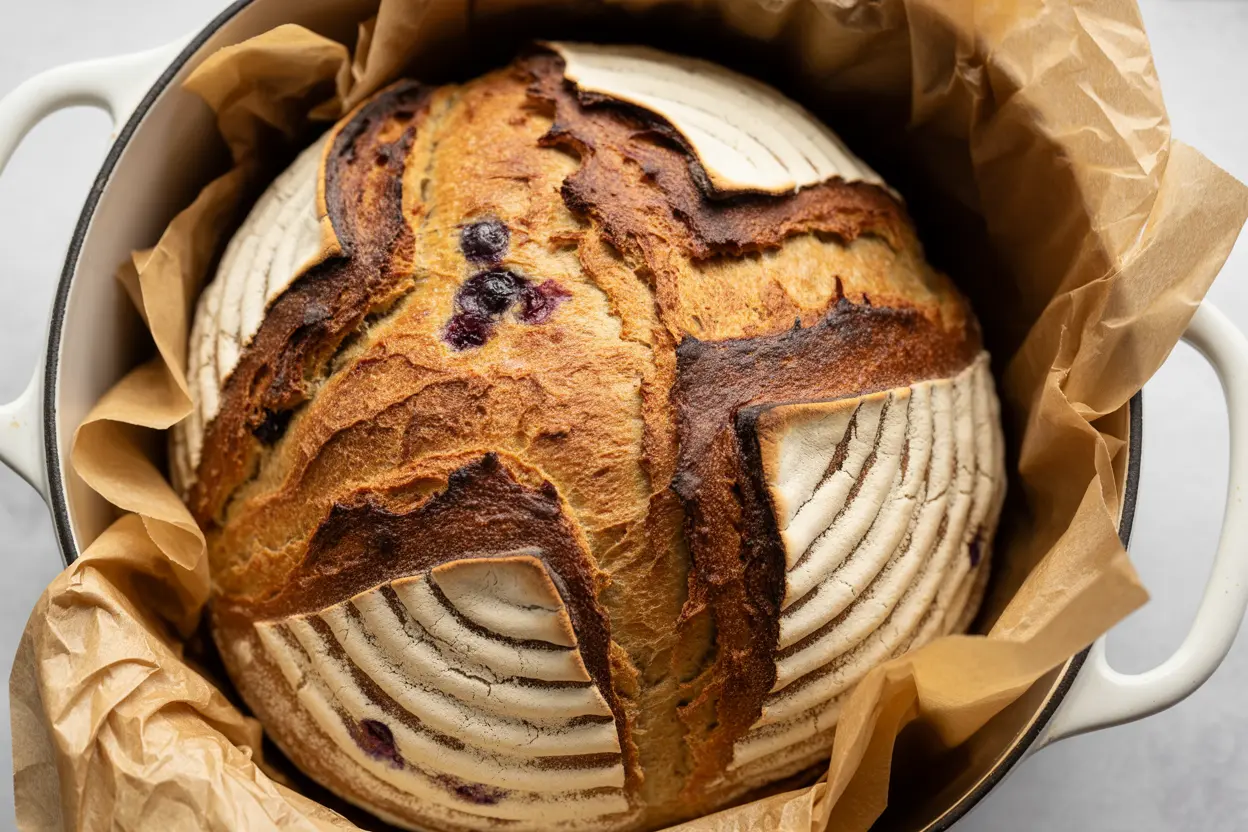
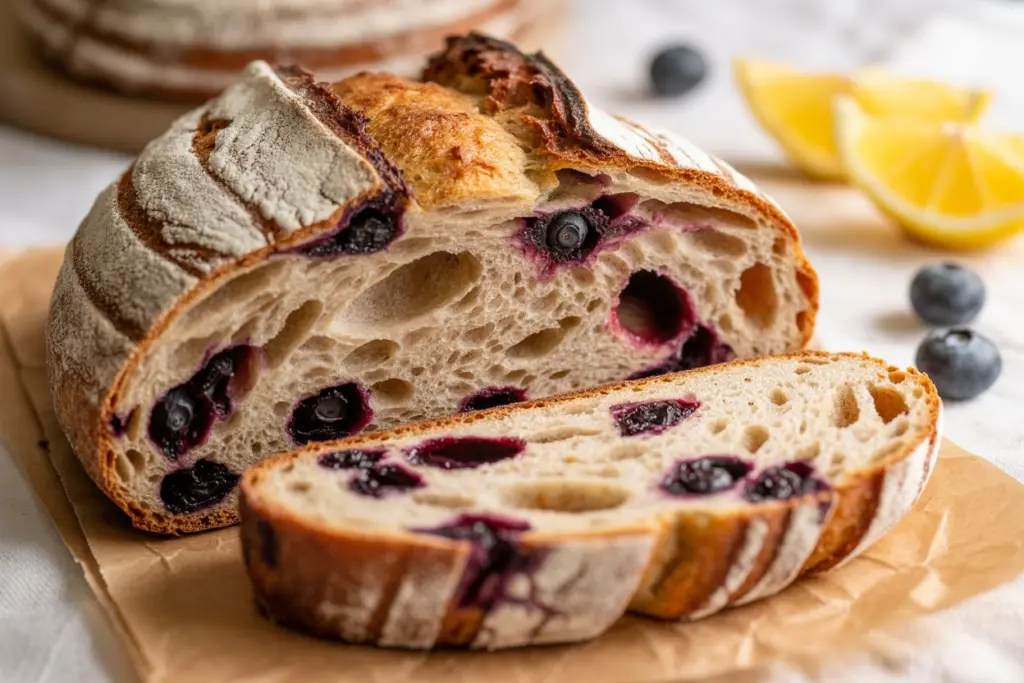
There’s something magical about baking bread at home, especially when it fills your kitchen with citrusy brightness and warm, bakery-style aromas. Lemon Blueberry Sourdough Bread is not just another loaf, it’s a celebration of contrasts. Tangy sourdough meets sweet blueberries, while fresh lemon lifts every bite with sunshine-like freshness. If bread could smile, this one definitely would.
Table of Contents
Why This Flavor Combination Works
Think of lemon and blueberry as the perfect duet. Lemon brings acidity and brightness, cutting through richness, while blueberries add bursts of natural sweetness. When paired with sourdough, the flavors deepen and mature, creating a loaf that’s complex yet comforting, kind of like your favorite song played on acoustic.
The Rise of Sourdough in Home Baking
Sourdough has gone from old-world tradition to modern obsession. Home bakers love it for its simplicity, flavor, and health benefits. Adding lemon and blueberries elevates it from rustic staple to show-stopping centerpiece.
If you love the rustic tang of this loaf, you’ll also enjoy my Sourdough Buttermilk Bread and the hearty Pumpkin Sourdough Bread , both use similar fermentation timing. Let your dough rise slowly overnight in the fridge; this cold fermentation develops an incredible depth of flavor and makes the next day’s shaping a breeze.
What Makes Lemon Blueberry Sourdough Bread Special
This bread isn’t just delicious, it’s an experience from mixing bowl to last crumb.
Natural Fermentation and Flavor Depth
Sourdough fermentation enhances flavor in a way commercial yeast just can’t. It slowly develops tangy notes that pair beautifully with citrus and fruit, making every slice layered and interesting.
Balance of Sweet, Tangy, and Fresh Notes
The key is balance. Too much lemon overwhelms, too many blueberries weigh the dough down. When done right, the result is a loaf that tastes bright, lightly sweet, and deeply satisfying.
Understanding Sourdough Basics
Before diving into flavors, it helps to understand the foundation.
What Is a Sourdough Starter
A sourdough starter is a living culture of flour and water. It captures wild yeast and bacteria from the environment, creating natural leavening.
Active vs Inactive Starter
An active starter is bubbly, airy, and ready to lift your dough. Using an inactive starter is like trying to blow up a balloon with a hole in it, it just won’t work.
How Fermentation Enhances Texture and Taste
Long fermentation breaks down gluten and starches, improving digestibility and giving sourdough its signature chewy crumb.
Key Ingredients in Lemon Blueberry Sourdough Bread
Each ingredient plays a starring role.
Flour Choices and Their Impact
Bread flour gives strength and structure, while all-purpose flour offers softness. A blend often works best.
Fresh Lemon Zest and Juice
Zest provides aroma without excess moisture, while juice adds brightness. Always use fresh lemon, bottled just doesn’t compare.
Blueberries – Fresh or Frozen?
Both work, but frozen blueberries hold their shape better during mixing.
Preventing Blueberry Bleeding
Toss blueberries lightly in flour before folding them in. This helps prevent purple streaks taking over your crumb.
The Science Behind Lemon and Blueberries in Bread
Fruit changes dough behavior more than you might think.
Acidity and Dough Structure
Lemon juice increases acidity, which can slightly weaken gluten. The trick is moderation.
How Fruit Affects Gluten Development
Blueberries add moisture and weight, so gentle folding is essential to maintain structure.
Shaping and Proofing the Dough
This step determines the final look.
Pre-Shaping for Structure
A gentle pre-shape helps organize gluten strands.
Cold Proofing for Flavor
Overnight refrigeration intensifies flavor and improves scoring.
Baking Lemon Blueberry Sourdough Bread
The oven is where the magic happens.
Dutch Oven vs Open Bake
A Dutch oven traps steam, creating a crisp crust and dramatic oven spring.
Achieving the Perfect Crust
High heat at the start, then slightly reduced temperature ensures golden perfection.
Internal Temperature Guide
Aim for an internal temperature of about 96°C (205°F).
Cooling, Slicing, and Serving
Patience matters here too.
Why Cooling Matters
Cutting too early releases steam and ruins texture. Let it cool fully.
Best Ways to Serve This Bread
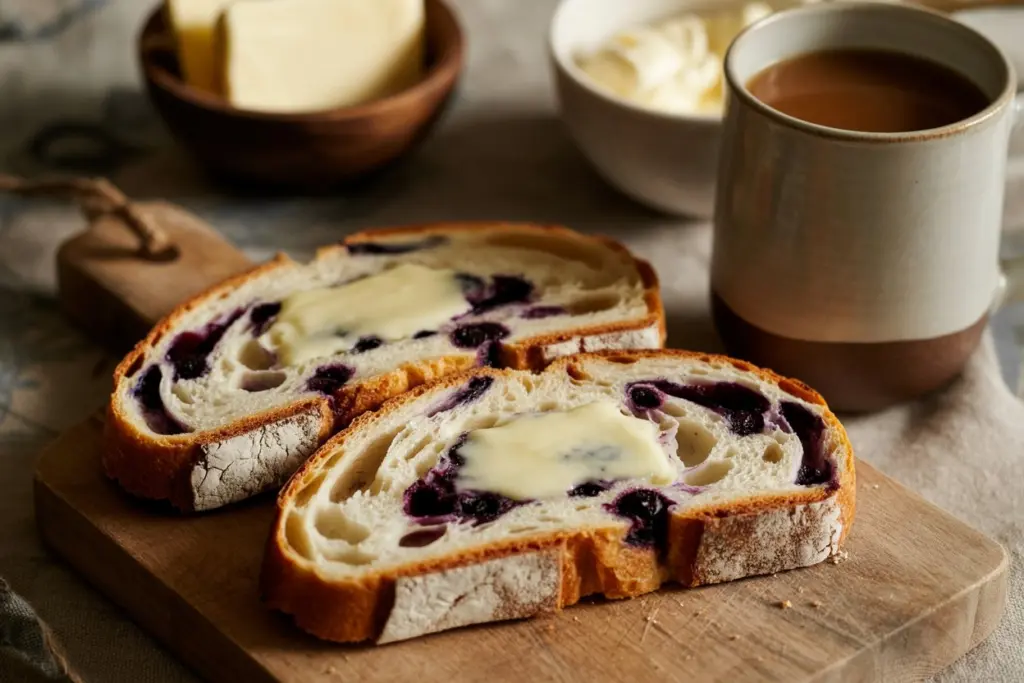
Serve toasted with butter, cream cheese, whip up my Homemade Pumpkin Butter Crockpot or even a drizzle of honey.
Common Mistakes and How to Avoid Them
Everyone makes mistakes, it’s part of the journey.
Dense Crumb Issues
Usually caused by under-fermentation or inactive starter.
Burnt Crust or Pale Loaf
Adjust oven temperature and placement.
Storage and Shelf Life
Keep it fresh longer.
Short-Term Storage
Store at room temperature in a bread bag or wrapped in cloth.
Freezing Lemon Blueberry Sourdough
Slice before freezing for easy access.
Variations and Flavor Twists
Make it your own.
Lemon Blueberry Walnut Sourdough
Adds crunch and nuttiness.
Lemon Glaze Finish
Perfect for a sweeter, brunch-style loaf.
Whole Wheat Version
Swap part of the flour for whole wheat for a heartier loaf.
Health Benefits of Sourdough Bread
It’s not just tasty, it’s smart eating.
Digestibility and Gut Health
Fermentation breaks down phytic acid, making nutrients more accessible.
Reduced Sugar Impact
Despite the blueberries, sourdough has a lower glycemic response.
When to Serve Lemon Blueberry Sourdough Bread
This bread fits almost any occasion.
Breakfast and Brunch Ideas
Perfect with coffee, tea, or yogurt.
Gifting and Special Occasions
A homemade loaf beats any store-bought gift.
Lemon Blueberry Sourdough Bread

Equipment
- Mixing Bowl
- Kitchen scale
- Dough scraper
- Proofing basket or bowl
- Parchment paper
- Dutch oven
- Sharp knife or bread lame
- Oven
Ingredients
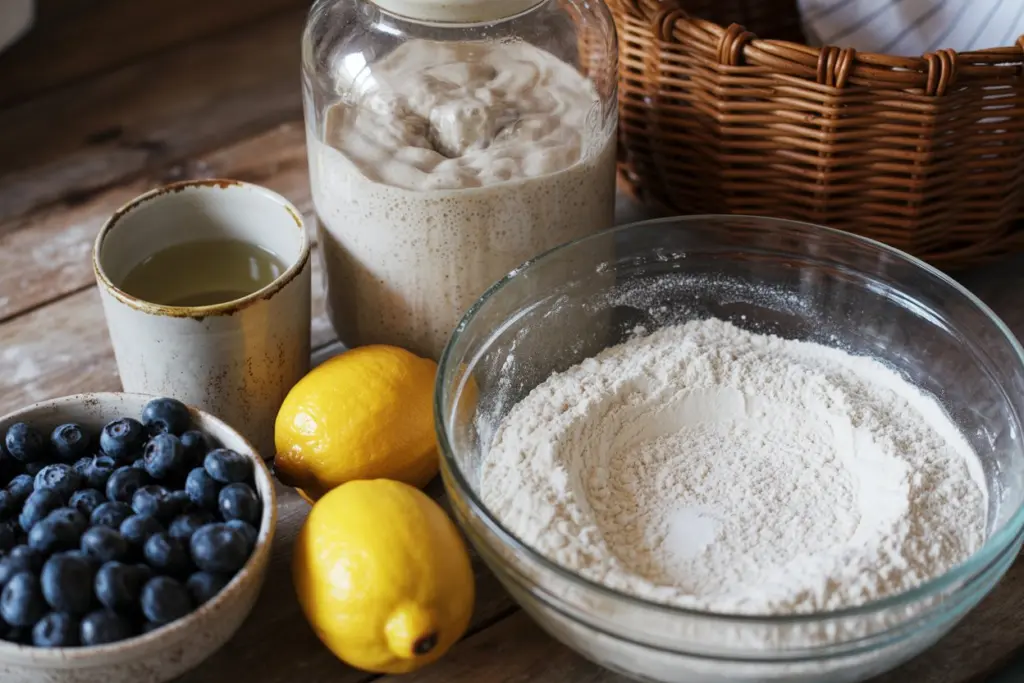
- 450 g bread flour
- 50 g all-purpose flour
- 325 g water
- 100 g active sourdough starter
- 10 g salt
- 2 Zest of lemons
- 120 g blueberries fresh or frozen
Instructions
- In a large bowl, mix flour and water until no dry spots remain. Cover and rest for 30 minutes.

- Add sourdough starter, salt, and lemon zest. Mix until fully incorporated.

- Perform stretch-and-folds every 30 minutes for 2 hours.

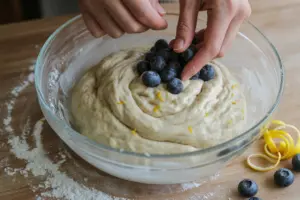
- Gently fold in blueberries during the second fold.
- Cover and let the dough ferment at room temperature until slightly risen and bubbly.

- Shape the dough into a round loaf and rest for 20 minutes.
- Final shape the dough and place seam-side up in a floured proofing basket.

- Refrigerate for 12-16 hours.
- Preheat oven to 230°C (450°F) with a Dutch oven inside.

- Transfer dough to parchment, score the top, and place into the hot Dutch oven.

- Bake covered for 25 minutes, then uncovered for 20 minutes until golden brown.

- Cool completely before slicing.
Notes
- Calories: 190
- Carbohydrates: 36 g
- Protein: 6 g
- Fat: 1 g
- Fiber: 2 g
FAQs
Will lemon juice stop my sourdough bread from rising?
Not if used in moderation. Too much acidity can weaken gluten, so balance is key.
How do I know my starter is ready?
It should double in size within 4-6 hours and pass the float test.
Can I make sourdough bread sweeter?
Yes, adding a small amount of honey or sugar will enhance sweetness.
What makes sourdough healthier than regular bread?
Sourdough is naturally fermented using wild yeast and bacteria. This process breaks down gluten, reduces phytic acid, and makes nutrients more bioavailable. The result is a loaf that’s easier to digest, has a lower glycemic index, and offers a complex flavor that commercial yeast can’t match.
Can I use lemon juice instead of water in the sourdough dough?
You can replace up to 25% of your water with lemon juice for extra citrus tang, but too much acid can weaken the gluten and affect your rise. For balanced flavor, use lemon zest instead – it brings brightness without compromising dough strength.
How long does sourdough bread stay fresh?
Lemon Blueberry Sourdough Bread keeps its best texture for up to 3 days at room temperature when wrapped in linen or parchment. Avoid plastic wrap, which traps moisture and softens the crust. For longer storage, slice and freeze it – it toasts up beautifully straight from the freezer.
How do I prevent the blueberries on the sourdough crust from burning?
Tuck any visible berries under the surface or dust them lightly with flour before baking. The flour acts as a barrier between the fruit and the hot oven air. Also, bake covered for the first 20 minutes to trap steam, which helps protect the surface.
When is the best time to add the lemon zest and blueberries?
Add lemon zest during your final mix – after the autolyse and before bulk fermentation. For blueberries, fold them in during your last stretch and fold cycle. This keeps the dough strong and prevents overmixing the fruit.
Lemon Blueberry Sourdough Bread is where rustic tradition meets fresh, modern flavor. It’s bright, comforting, and deeply satisfying, proof that bread doesn’t have to be boring. Whether you’re an experienced sourdough baker or just starting out, this loaf is a joyful challenge worth taking. One bake, and it might just become your signature bread.