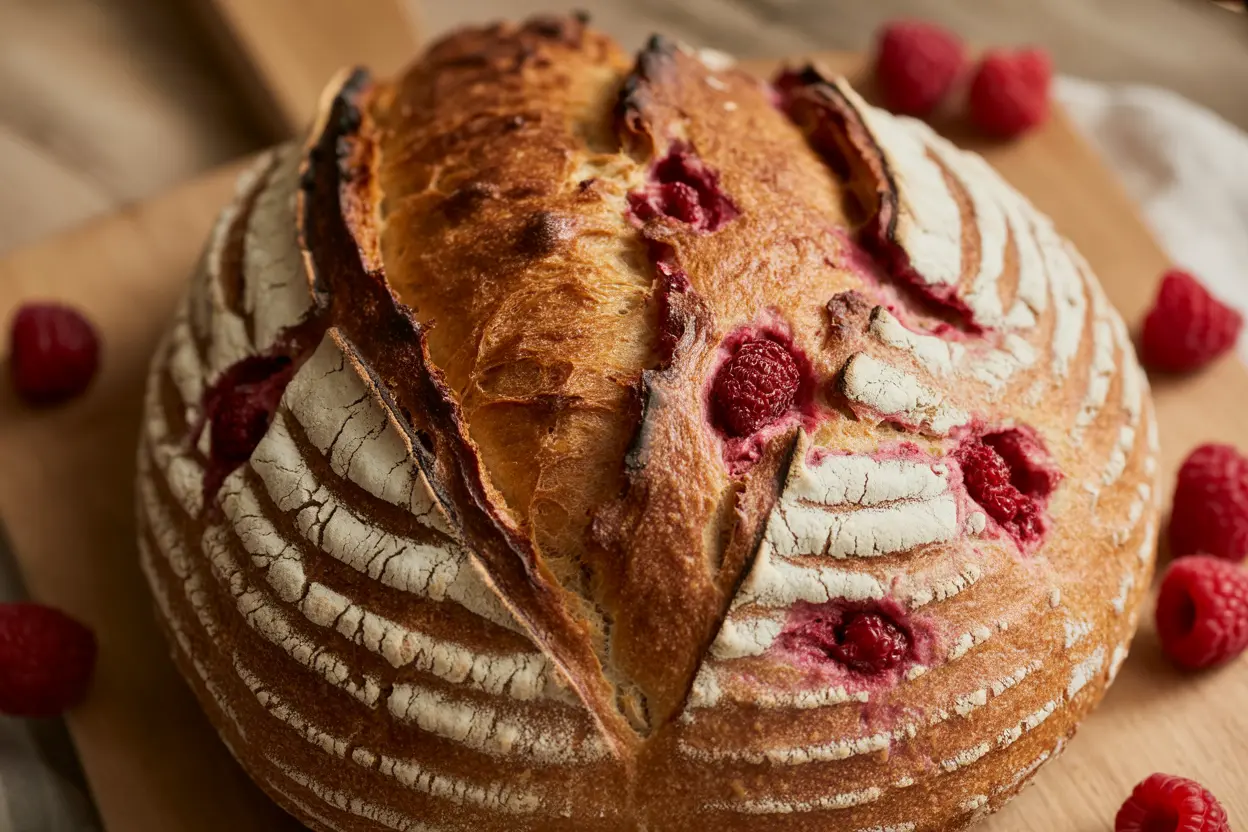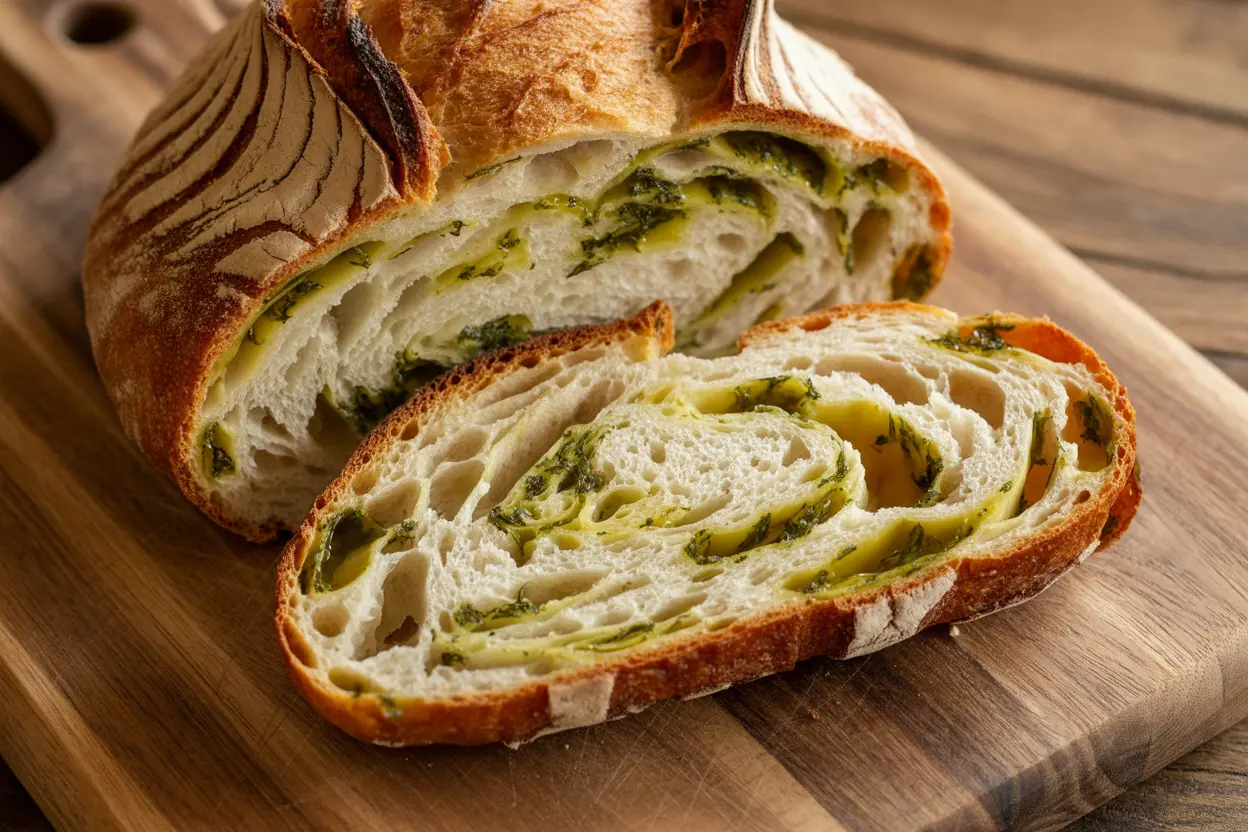
There’s something almost magical about slicing into a loaf of sourdough and seeing pockets of melted cheese woven into a soft, airy crumb. Add Italian herbs to the mix, and suddenly you’re not just baking bread, you’re creating an experience. Italian herbs and cheese in sourdough bread bring together bold aroma, deep flavor, and rustic beauty in one unforgettable loaf.
This is the kind of bread that stops conversations at the table. The crust crackles as you slice it, the cheese stretches slightly while still warm, and the herbs perfume the air like a cozy Italian kitchen. If you’ve ever wondered how to get cheese in sourdough bread to look and taste like the photos, you’re in exactly the right place.
If you’re new to bread-making, check out Overnight Sponge Method to build confidence before tackling this flavorful variation.
Table of Contents
Why Cheese in Sourdough Bread Is So Popular
Cheese and sourdough are a natural match. Sourdough’s mild tang balances the richness of cheese, keeping the bread flavorful without feeling heavy. When baked correctly, the cheese melts into the dough instead of leaking out, creating those golden pockets everyone loves.
Unlike commercial yeast bread, sourdough develops slowly. That slow fermentation allows the cheese flavor to deepen and the herbs to infuse the dough fully. The result? Bread that tastes complex, layered, and bakery-level impressive, without being overly complicated.
The Magic of Italian Herbs in Artisan Bread
Italian herbs are warm, savory, and comforting. Think oregano, basil, thyme, rosemary, and marjoram working together like a choir instead of soloists. In sourdough, these herbs soften during fermentation and baking, losing harsh edges and becoming beautifully aromatic.
The key is balance. Italian herbs should enhance the bread, not overpower it. When done right, every bite feels intentional, earthy, cheesy, and deeply satisfying.
What Makes Sourdough the Perfect Base
Sourdough isn’t just bread; it’s a living process. The natural fermentation improves texture, flavor, and digestibility. It also provides structure strong enough to hold cheese without collapsing.
Because sourdough dough is elastic and strong, it traps steam beautifully during baking. That’s how you get those open holes, crisp crust, and chewy interior seen in the photos.
Flavor Chemistry: Herbs + Cheese + Fermentation
Fermentation acts like a slow cooker for flavor. Acids from the starter amplify savory notes in cheese, while herbs mellow and integrate. Cheese fats coat gluten strands, creating a softer crumb without sacrificing structure.
It’s a balancing act: too much cheese can weaken the dough, too many herbs can mask the sourdough flavor. Precision here is what separates good bread from unforgettable bread.
Texture Goals: Crust, Crumb, and Melted Cheese
The ideal loaf has:
- A deeply golden, blistered crust
- A moist, open crumb
- Visible cheese pockets without greasy tunnels
Achieving this means controlling hydration, folding gently, and adding cheese at the right moment.
Choosing the Best Cheese for Sourdough
Hard Cheeses vs Soft Cheeses
Hard and semi-hard cheeses work best. They melt without releasing excess moisture and hold their shape inside the dough.
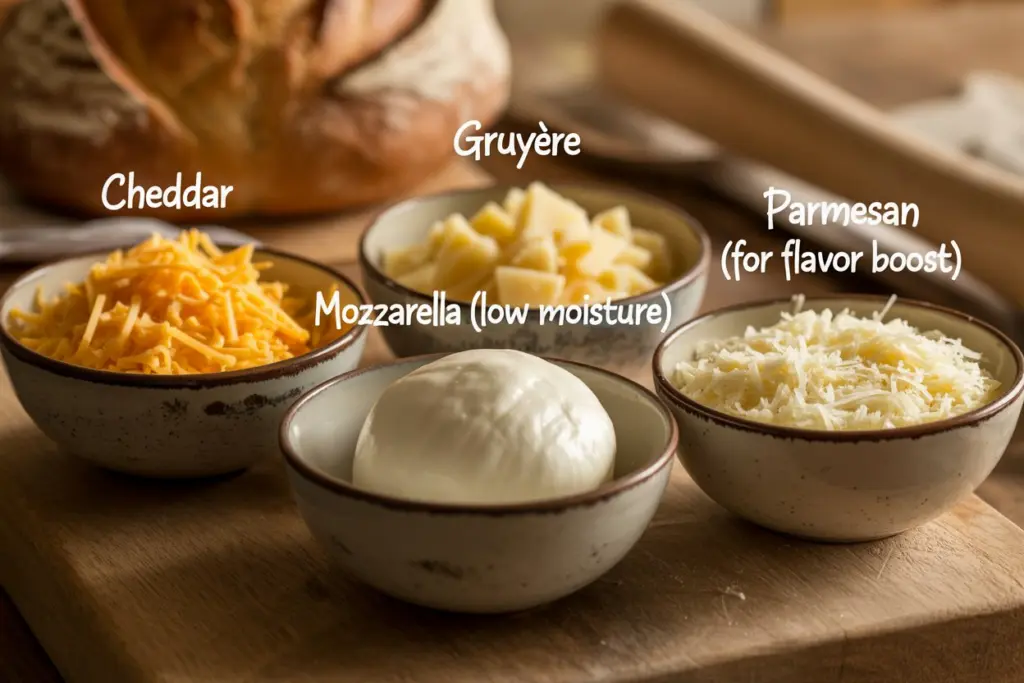
Best Melting Cheeses for Sourdough
- Cheddar
- Gruyère
- Mozzarella (low moisture)
- Parmesan (for flavor boost)
Grate or cube the cheese, never shred it too finely, or it will disappear into the dough.
| Cheese Type | Flavor Profile | Melting Point |
|---|---|---|
| Sharp Cheddar | Bold, tangy, classic | High (great for structure) |
| Mozzarella | Mild, stretchy, creamy | Medium (gooey texture) |
| Parmesan | Nutty, crisp, savory | High (great for topping) |
If you love ultra-melty cheese experiences, try blending two types for a layered texture, just like in Cheesy Chicken Cordon Bleu Crescent Rolls. And remember: less is more when folding cheese into your sourdough, since overfilling can create dense spots and uneven bakes.
Italian Herbs That Work Best in Bread
Dried vs Fresh Herbs
Dried herbs are ideal for sourdough. They’re concentrated, consistent, and won’t add unwanted moisture.
Classic Italian Herb Blend Explained
A balanced blend usually includes oregano, basil, thyme, rosemary, and marjoram. Rosemary should be finely crushed to avoid sharp bites.
Ingredients Breakdown
Flour Selection
Bread flour is best for structure. It supports cheese without collapsing.
Starter Strength Matters
An active, bubbly starter ensures proper rise despite added fats from cheese.
Hydration and Salt Balance
Cheese adds fat and salt, so hydration must be balanced carefully to avoid dense dough.
How Cheese in Sourdough Bread Changes Fermentation
Cheese slows fermentation slightly. This means bulk fermentation may take longer, but that extra time deepens flavor and improves crumb.
Step-by-Step Process Overview
Mixing and Autolyse
Flour and water rest first, developing gluten naturally before adding starter and salt.
Stretch and Fold Method
Gentle folds strengthen the dough without tearing cheese later.
Adding Cheese and Herbs Properly
Add during the last fold. This prevents cheese from breaking the gluten network.
Shaping for a Beautiful Swirl and Crumb
Roll gently, keeping cheese evenly distributed without forcing it outward.
When you’ve mastered the savory loaf, you can balance your baking adventures with something sweet from 26+ Best Sourdough Dessert Recipes To Try.
Baking for Golden Crust and Crispy Cheese Edges
Dutch Oven vs Open Bake
A Dutch oven traps steam, giving maximum oven spring and shine.
Steam and Temperature Control
High heat at first, then slightly lower to fully melt cheese without burning.
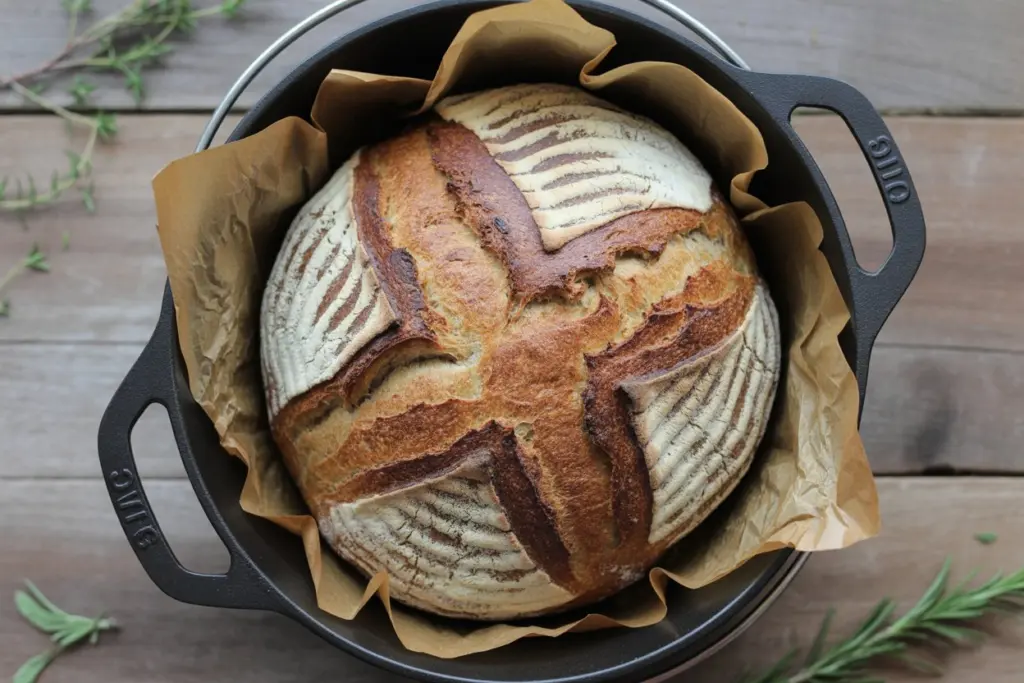
How to Get Results Like the Photos
Scoring Techniques
One confident score allows controlled expansion and dramatic rise.
Cheese Placement Secrets
Reserve a small amount of cheese near the surface for visual appeal, but not too much.
Serving Ideas for Italian Herbs and Cheese Sourdough
- As a Thanksgiving side
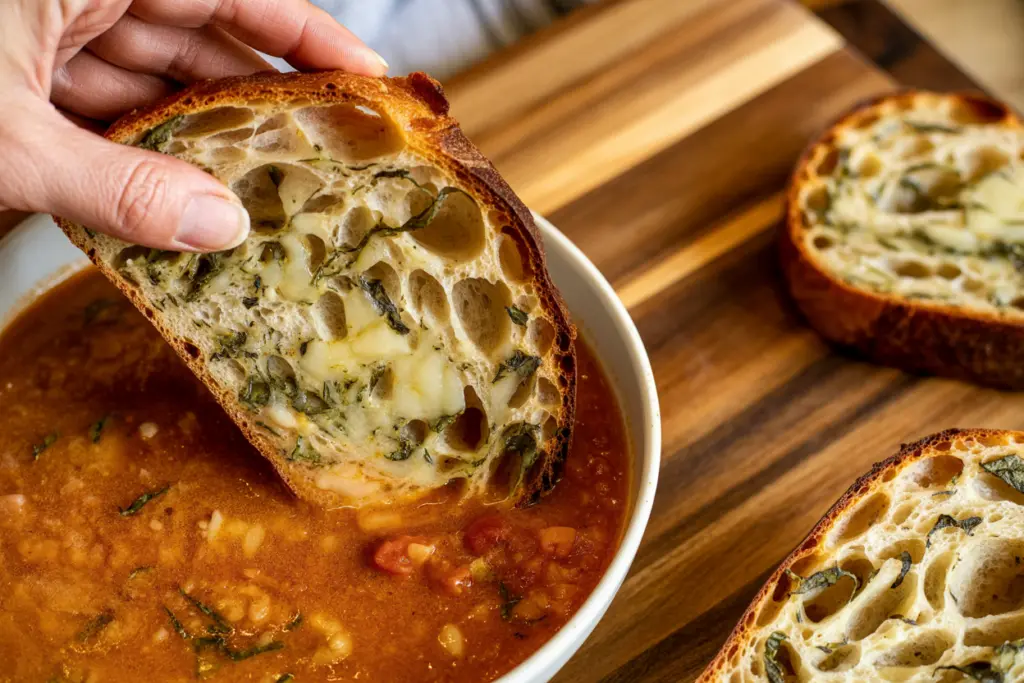
- With soups and stews
- Grilled into sandwiches
- Toasted with olive oil
If you’re planning ahead for breakfasts, pair a slice of your cheesy loaf with something light and nourishing, like the 10+ Healthy Overnight Oats Recipes. Together, they make mornings both wholesome and satisfying.
For dinner, pair it with a bowl from Soup Recipes (Easy & Homemade), tomato basil or roasted red pepper soups are especially comforting companions.
Storage, Freezing, and Reheating Tips
Homemade cheese in sourdough bread stays best when stored properly. Let the loaf cool completely before wrapping it loosely in parchment, at room temperature, it’ll stay fresh for two days.
For longer storage, freeze sliced for easy toasting. Reheat in oven, not microwave, for best texture.
Common Mistakes and How to Avoid Them
- Overloading cheese
- Adding herbs too early
- Underproofing
- Cutting while hot
Patience pays off here.
Why This Bread Is Perfect for Holidays and Everyday Meals
It’s rustic yet elegant. Comforting yet impressive. The kind of bread that feels homemade and special at the same time.
Italian Herbs and Cheese Sourdough Bread

Equipment
- Large mixing bowl
- Bench scraper
- Proofing basket or bowl
- Dutch oven with lid
- Parchment paper
- Sharp blade or bread lame
- Cooling rack
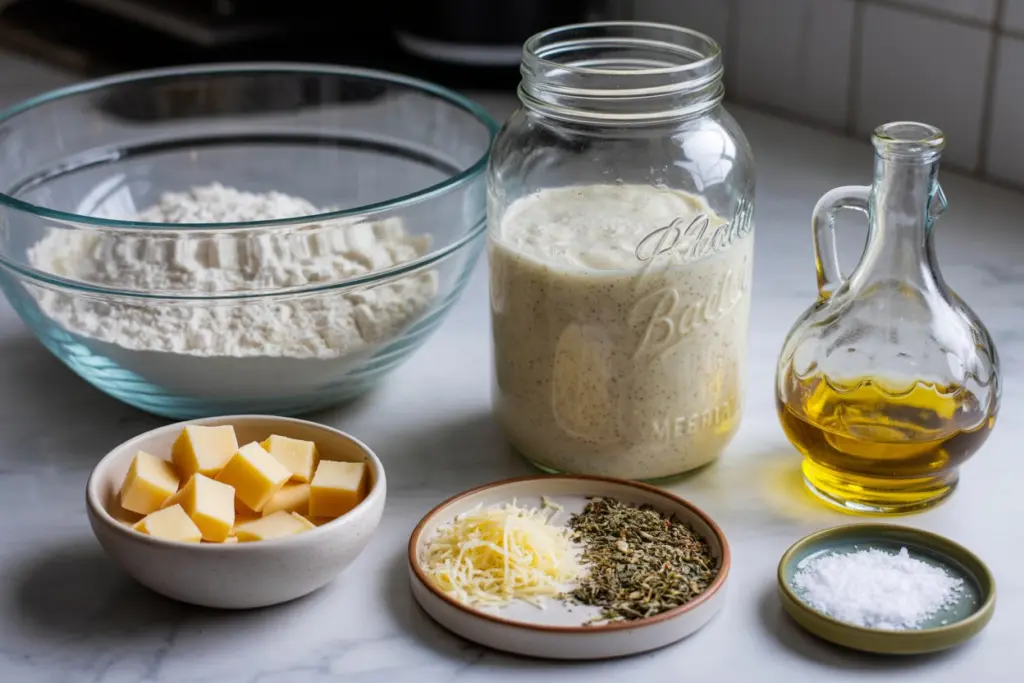
Ingredients
- 450 g bread flour
- 300 g water
- 100 g active sourdough starter
- 10 g salt
- 150 g cheese cubed or grated
- 2 teaspoons Italian herb blend
Instructions
- Mix flour and water until no dry spots remain. Cover and rest for 30 minutes.
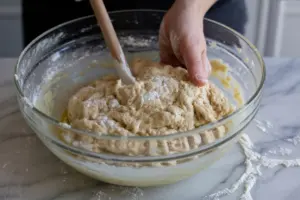
- Add sourdough starter and salt, mixing until fully incorporated.
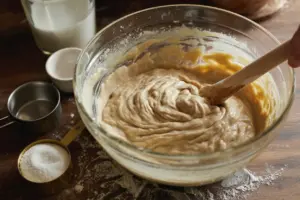
- Cover and rest for 30 minutes.
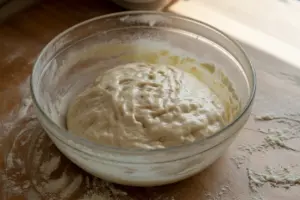
- Perform a set of stretch and folds. Repeat stretch and folds every 30 minutes for a total of 3 to 4 sets.

- During the final fold, gently incorporate the cheese and Italian herbs evenly into the dough.
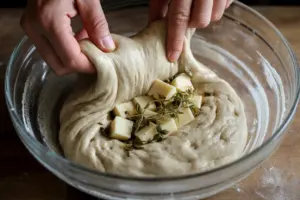
- Cover and allow the dough to bulk ferment at room temperature until slightly puffy and increased in volume.

- Turn the dough out onto a lightly floured surface and gently shape into a round.
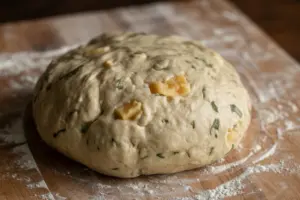
- Let rest for 20 minutes, then perform a final shaping. Place the dough seam-side up into a floured proofing basket. Cover and refrigerate for 8-12 hours.
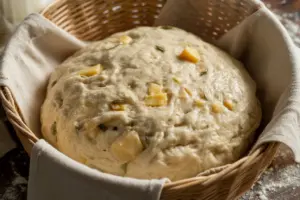
- Preheat oven to 475°F (245°C) with a Dutch oven inside.

- Transfer dough to parchment paper, score the top, and place into the hot Dutch oven.
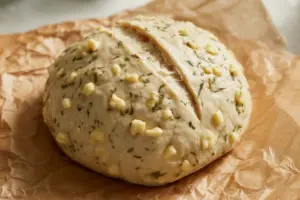
- Bake covered for 25 minutes. Remove the lid and bake for an additional 20 minutes until deeply golden.
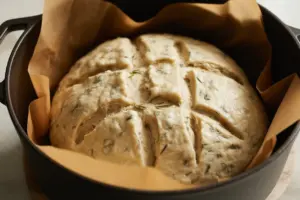
- Cool completely on a wire rack before slicing.
Notes
- Calories: 210
- Carbohydrates: 32 g
- Protein: 8 g
- Fat: 6 g
- Fiber: 2 g
FAQs
Can you add cheese to sourdough bread?
Absolutely! Adding cheese to sourdough bread enhances both flavor and texture. The key is to fold the cheese in after the first fermentation so it melts evenly without breaking the dough structure. Hard cheeses like cheddar, asiago, or parmesan work best since they hold their shape while infusing the loaf with rich flavor.
What kind of cheese works best in sourdough?
Cheddar is the go-to for bold flavor, but asiago and parmesan add nutty depth, while mozzarella gives a mild, stretchy texture. Combining two types of cheese creates a perfect balance between creaminess and sharpness in cheese in sourdough bread.
How do you stop cheese from burning in sourdough bread?
The trick is to fold most of the cheese inside the dough and keep only a few pieces near the surface for a golden crust. Baking covered for the first 20 minutes helps prevent burning while allowing the bread to rise fully.
Can you add herbs and other flavors to sourdough?
Yes! Italian herbs like basil, oregano, rosemary, and thyme blend beautifully with sourdough’s tangy profile. You can also experiment with roasted garlic, sun-dried tomatoes, or infused oils for extra complexity.
Why does my cheese leak out from sourdough?
Too much cheese near the surface or weak shaping can cause leaks.
Italian herbs and cheese in sourdough bread bring together tradition, technique, and irresistible flavor. With the right balance of herbs, carefully chosen cheese, and proper fermentation, you can create a loaf that looks just like the photos, and tastes even better.
If you’re ready to expand your bread-baking journey, pair this loaf with soups, dips, or even breakfast favorites. It’s not just bread, it’s a centerpiece, comfort food, and story told through flavor, time, and love.