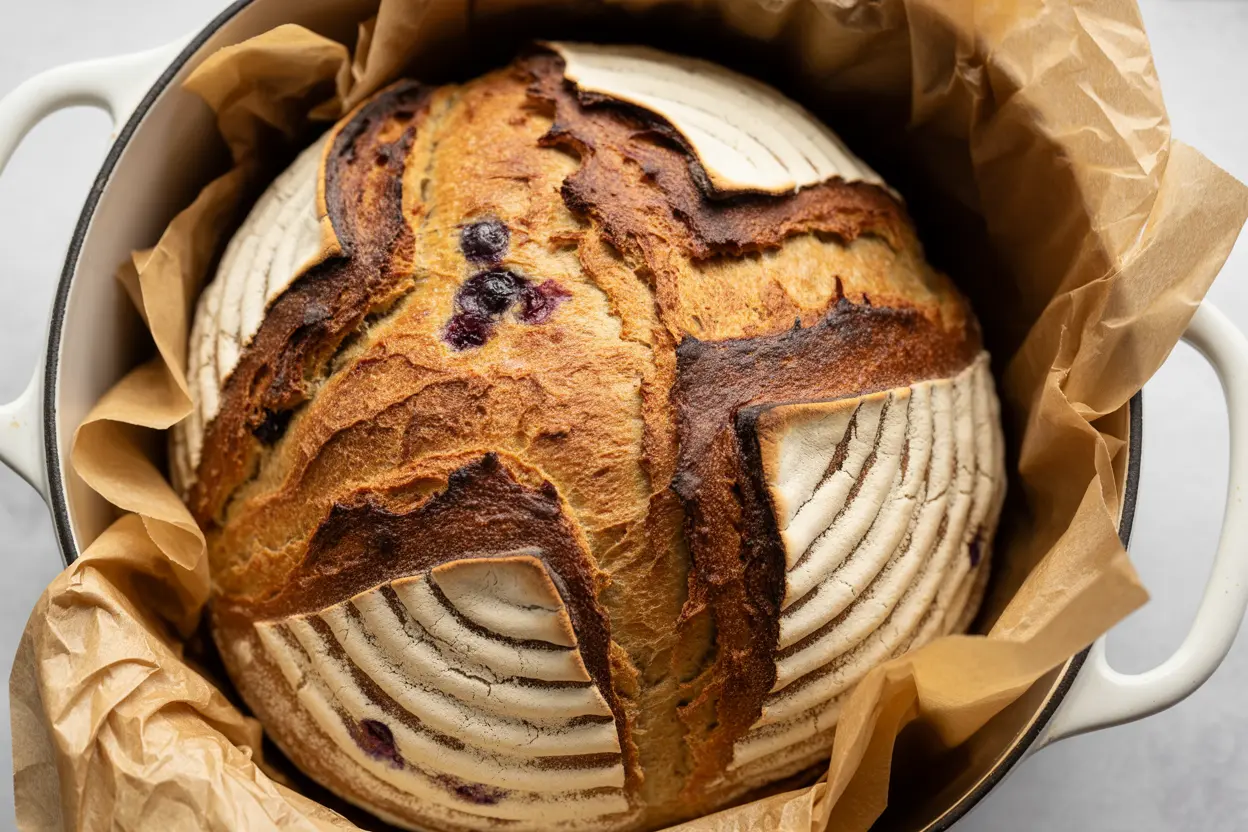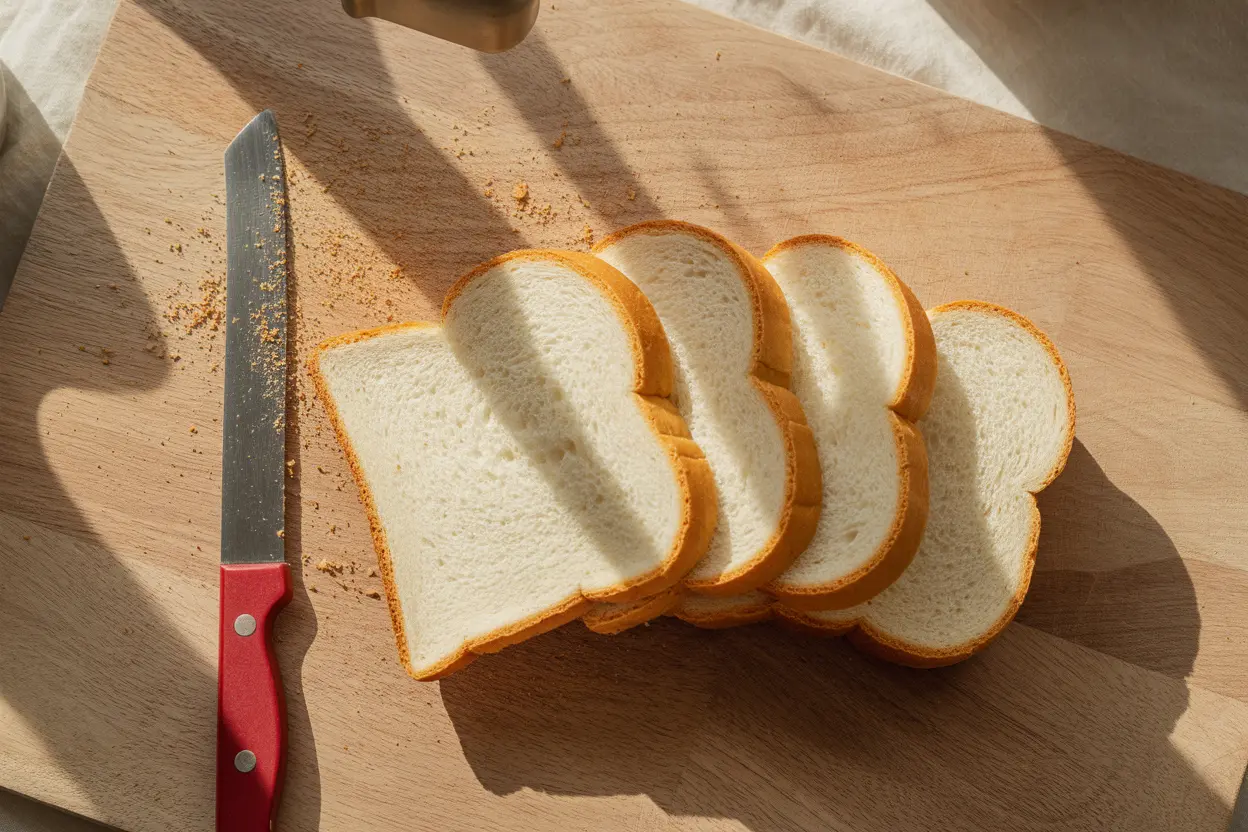
If you’ve ever dreamed of a loaf that’s soft enough for sandwiches yet full of that unmistakable sourdough character, you’re in the right place. Easy sourdough sandwich bread is the perfect middle ground between rustic artisan loaves and store-bought sandwich bread. It’s gentle, fluffy, slightly tangy, and strong enough to hold everything from peanut butter to grilled cheese.
This is the kind of bread that turns ordinary lunches into something special. And the best part? You don’t need fancy equipment or bakery-level skills. Just patience, a good starter, and a little confidence.
Table of Contents
What Makes Sourdough Sandwich Bread Special?
Unlike crusty boule-style sourdough, sandwich bread is designed to be soft, sliceable, and kid-friendly. The magic lies in balancing fermentation with enrichment. A touch of fat, milk, or honey transforms the structure, giving you a tender crumb without losing sourdough’s depth.
Sourdough vs Commercial Yeast Bread
Commercial yeast works fast, but sourdough is a slow dance. Natural fermentation develops flavor gradually, creating complexity you simply can’t rush. Think of it like simmering soup versus microwaving it.
Flavor, Texture, and Nutrition Benefits
Sourdough fermentation helps break down gluten, improves mineral absorption, and delivers a subtle tang that enhances both sweet and savory fillings.
Why This Easy Sourdough Sandwich Bread Recipe Works
This recipe focuses on simplicity:
- One bowl
- No kneading marathon
- Flexible fermentation times
- Reliable oven spring
It’s forgiving enough for beginners yet consistent enough for experienced bakers who want a dependable daily loaf.
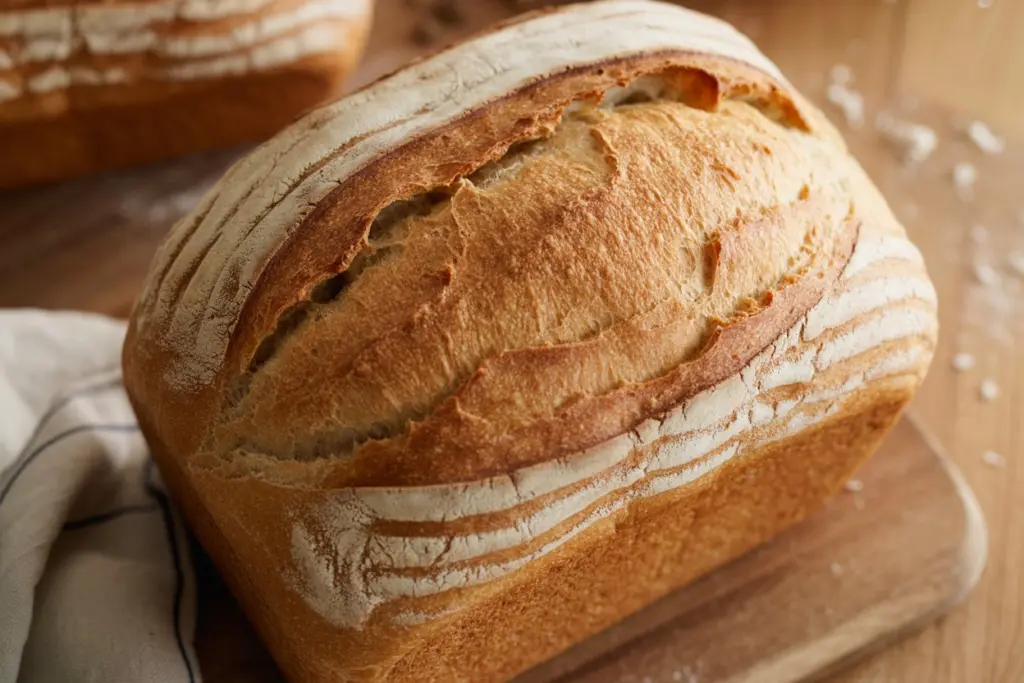
Ingredients You Need for Sourdough Sandwich Bread
Core Ingredients Explained
- Sourdough starter – The engine of fermentation
- Flour – Bread flour gives structure; all-purpose keeps it soft
- Liquid – Milk or water hydrates and softens the crumb
- Salt – Flavor and gluten control
- Fat – Butter or oil for tenderness
- Sweetener – Honey or sugar balances tang
Optional Add-Ins for Flavor Variations
- Whole wheat flour
- Oats
- Seeds
- Herbs or roasted garlic
If you’re new to working with sourdough, don’t worry; this step-by-step method is forgiving. The goal is consistency and feel, not perfection. As the dough ferments, it will strengthen and smooth out. When it’s time to bake, you’ll have a loaf that’s just as delightful as my Sourdough Pizza Crust or Soft Sourdough Burger Buns, recipes that share the same gentle patience and texture-building methods.
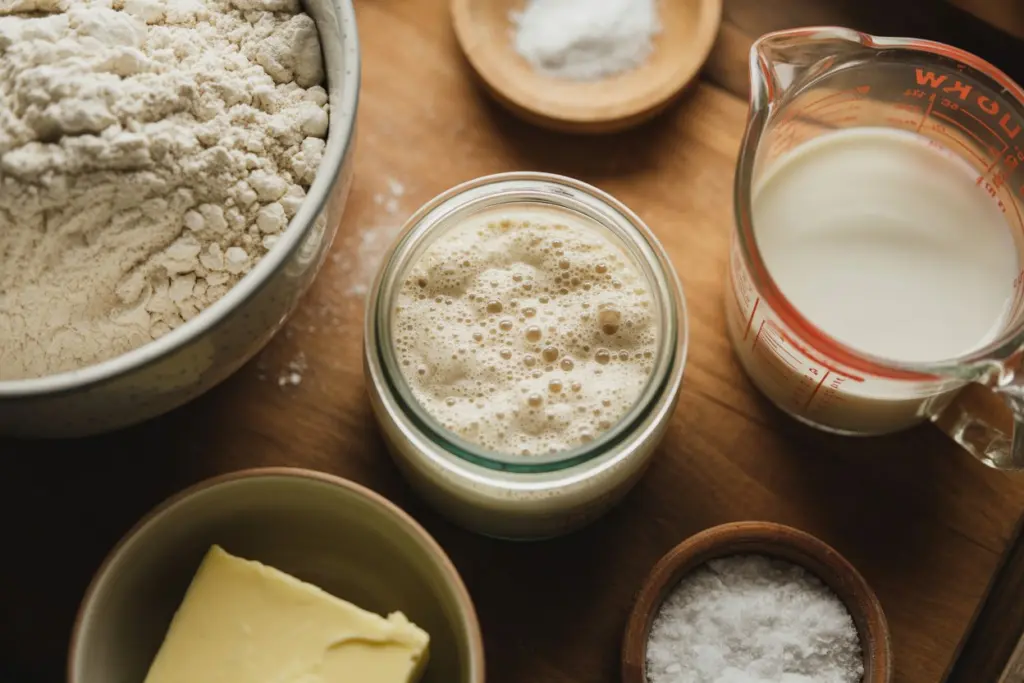
Understanding Your Sourdough Starter
Your starter is alive. Treat it well, and it rewards you.
Active vs Discard Starter
For sandwich bread, active starter is best. It should be bubbly, doubled, and pass the float test.
How to Tell If Your Starter Is Ready
If it smells pleasantly tangy and shows lots of bubbles, you’re good to go.
Step-by-Step Guide to Easy Sourdough Sandwich Bread
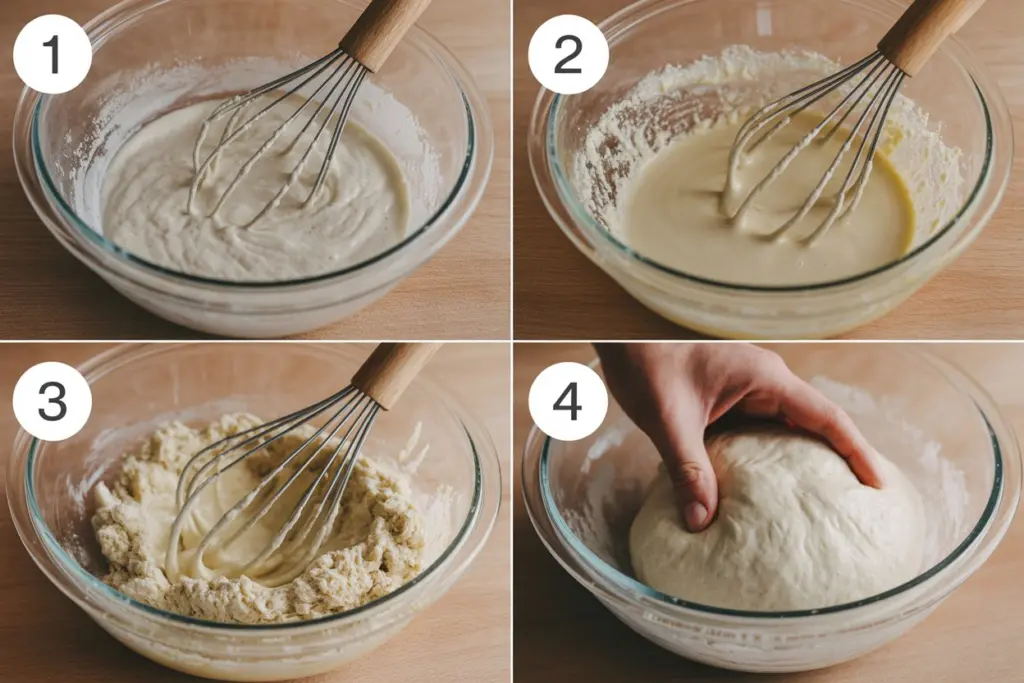
Mixing the Dough
Combine all ingredients until a soft, slightly tacky dough forms. No need to knead aggressively, time will do the work.
Bulk Fermentation
Let the dough rest and rise until nearly doubled. This can take 4-8 hours depending on temperature.
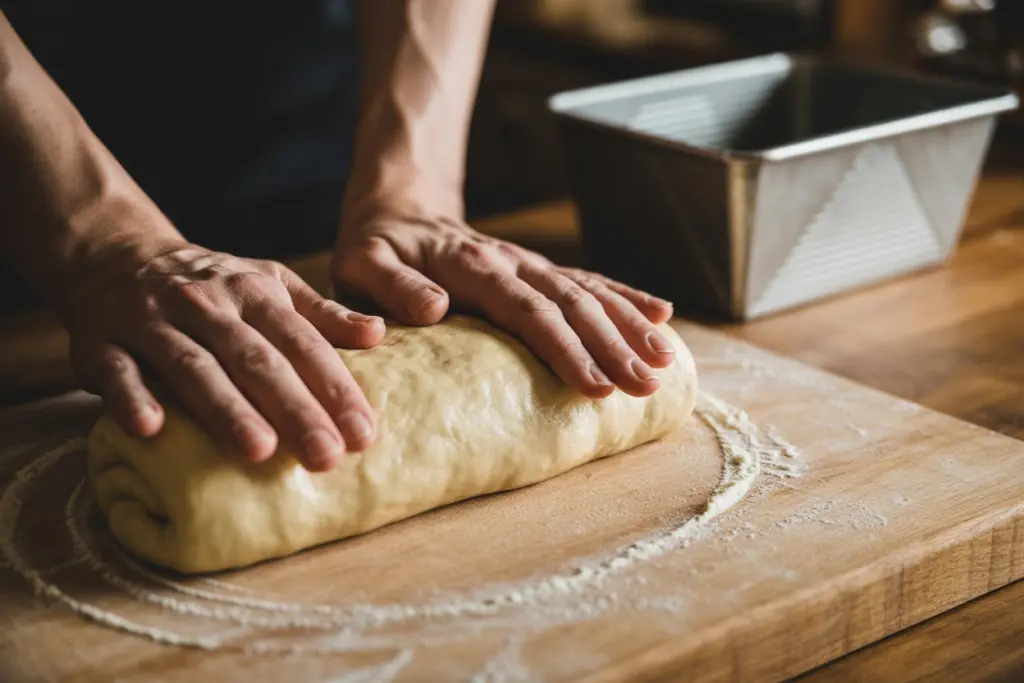
Shaping for Sandwich Loaves
Gently flatten, roll into a tight log, and place seam-side down into a greased loaf pan.
Final Proofing
Allow the dough to rise until it crests just above the pan rim.
Baking to Golden Perfection
Bake until deeply golden with a hollow sound when tapped.
Common Beginner Mistakes to Avoid
- Under-proofing leads to dense bread
- Over-proofing causes collapse
- Cutting too soon ruins texture
If you’ve enjoyed this slow, mindful rhythm of breadmaking, you might also love my Sourdough Banana Bread or Quick Sourdough Discard apple bread, both perfect next steps for bakers looking to deepen their craft and consistency.
Texture Secrets: How to Get a Soft Crumb
Steam isn’t necessary here. The softness comes from:
- Enriched dough
- Proper hydration
- Gentle handling
- Full fermentation
Storage, Freezing, and Shelf Life
Store wrapped at room temperature for up to 3 days. Freeze sliced loaves for grab-and-go convenience.
Serving Ideas for Everyday Sandwiches
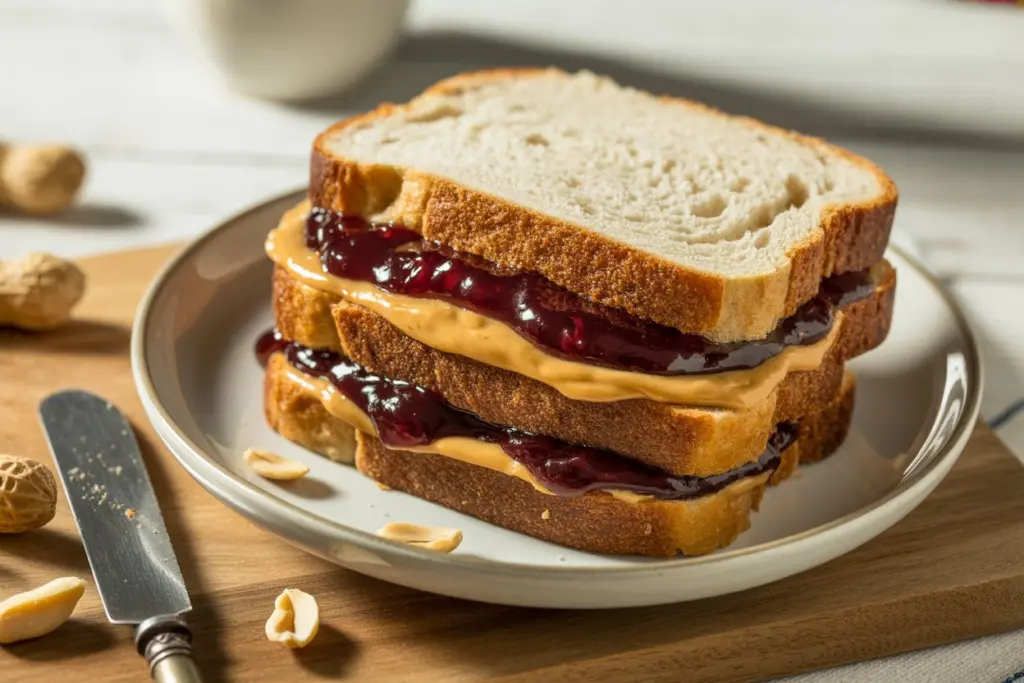
- Classic PB&J
- Turkey and cheese
- Grilled cheese
- Egg salad
- Breakfast toast with butter and honey
If you’re feeling creative, try using this same dough to make sourdough dinner rolls or even cinnamon swirl loaves, just tweak the shaping and filling. And for those looking to expand their bread repertoire, check out my Sourdough Double Chocolate Bread or Pumpkin Sourdough Bread, both using similar fermentation techniques that yield beautiful results.
Healthy Variations and Substitutions
- Swap 25% flour for whole wheat
- Use olive oil instead of butter
- Reduce sweetener for savory loaves
Troubleshooting Sourdough Sandwich Bread
- Too dense? Ferment longer
- Too sour? Shorten fermentation
- Dry crumb? Increase hydration slightly
Why Homemade Sourdough Is Worth the Effort
Once you taste fresh, homemade sourdough sandwich bread, store-bought loaves lose their charm. It’s not just bread, it’s confidence, tradition, and comfort baked into one pan.
Easy Sourdough Sandwich Bread

Equipment
- Large mixing bowl
- Measuring cups and spoons
- Wooden spoon or dough scraper
- 9×5-inch loaf pan
- Clean kitchen towel
- Oven
Ingredients
- 1 cup 240 g active sourdough starter
- 1 cup 240 ml warm milk or water
- 3 tablespoons 42 g unsalted butter, melted
- 2 tablespoons 30 g honey or sugar
- 3 ½ cups 420 g bread flour or all-purpose flour
- 1 ½ teaspoons 9 g salt
Instructions
- In a large bowl, mix sourdough starter, warm milk, melted butter, and honey until smooth.
- Add flour and salt, then mix until a soft dough forms.
- Cover and let rest for 30 minutes.
- Perform gentle stretch-and-folds for 1-2 minutes until dough becomes smooth.
- Cover and let rise at room temperature until doubled in size.
- Shape dough into a tight loaf and place into a greased 9×5-inch loaf pan.
- Cover and allow to proof until the dough rises just above the rim of the pan.
- Preheat oven to 375°F (190°C).
- Bake for 35-40 minutes until golden brown and the loaf sounds hollow when tapped.
- Remove from pan and cool completely before slicing.
Notes
- Calories: 170 kcal
- Carbohydrates: 30 g
- Protein: 5 g
- Fat: 4 g
FAQs
Can I make sourdough sandwich bread with sourdough discard?
Yes, but texture will be denser unless combined with a small amount of yeast.
How sour should sourdough sandwich bread taste?
Mildly tangy. This style is designed to be subtle, not sharp.
Why is my bread gummy inside?
It was likely sliced too soon or under-baked.
Can I ferment the dough overnight?
Yes, refrigerate during bulk fermentation for better flavor control.
Can I make sourdough sandwich bread dairy-free?
Absolutely. Use water and oil instead of milk and butter.
How do I get a tight crumb without large holes in sourdough sandwich bread?
To achieve a fine, even crumb, make sure your dough is properly kneaded and shaped tightly. Avoid excessive hydration, which encourages large holes. Performing multiple stretch-and-folds during bulk fermentation builds a strong gluten network for a uniform crumb.
What makes my sourdough sandwich bread soft?
Fat and moisture are key. Adding a little butter or oil tenderizes the crumb, while honey or sugar helps retain moisture. Avoid overbaking and store the loaf properly to preserve softness.
When is my sourdough bread dough done fermenting (bulk)?
The dough should look airy, feel puffy, and have visible bubbles along the sides. It should have increased by about 75% in size. A dough that feels overly sticky or deflates easily may be over-fermented.
Why does my sourdough sandwich bread dough spread flat?
This usually happens when the dough is underdeveloped or over-proofed. Ensure strong gluten development during kneading and shape the dough tightly before the final rise. Cool environments or weak starters can also cause spreading.
Easy sourdough sandwich bread proves that homemade doesn’t have to be complicated. With simple ingredients and patience, you can bake a loaf that’s soft, flavorful, and perfect for everyday meals. Once you master this recipe, it becomes a staple you’ll return to week after week.