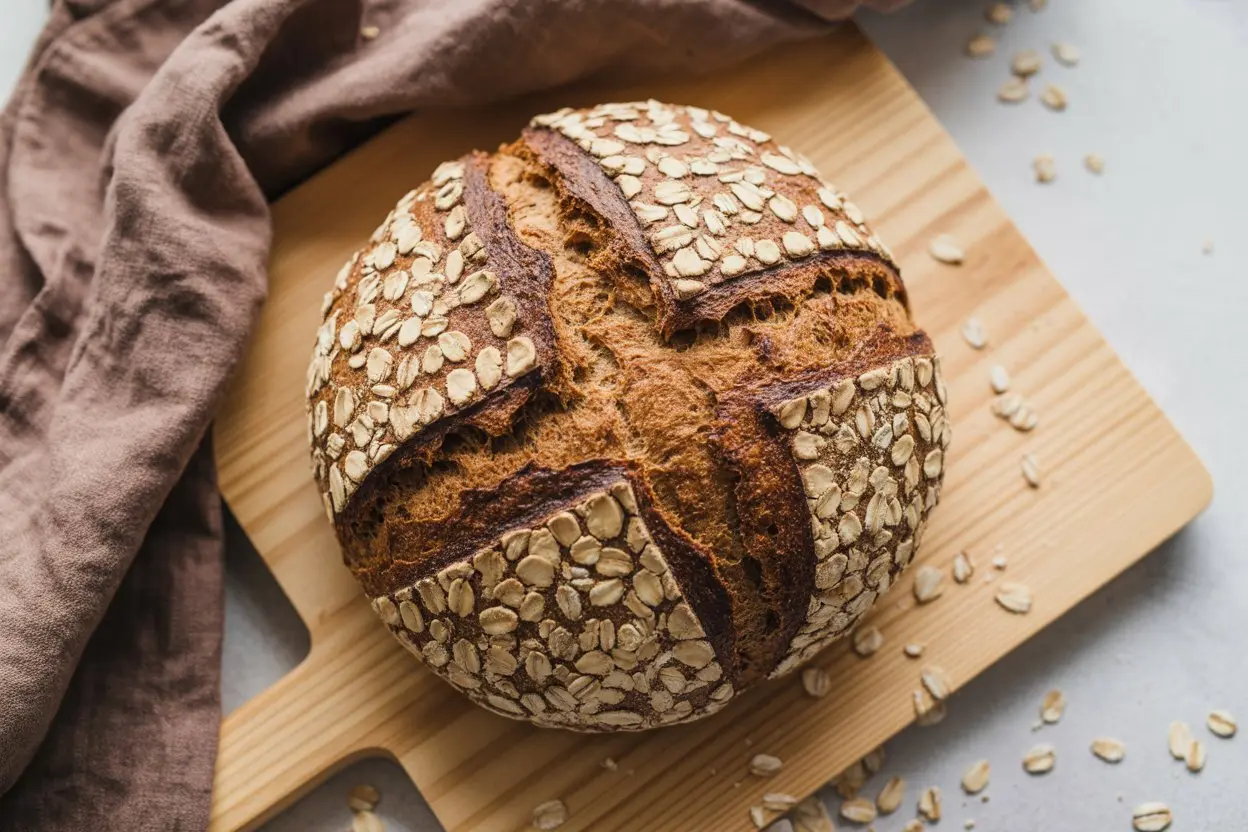
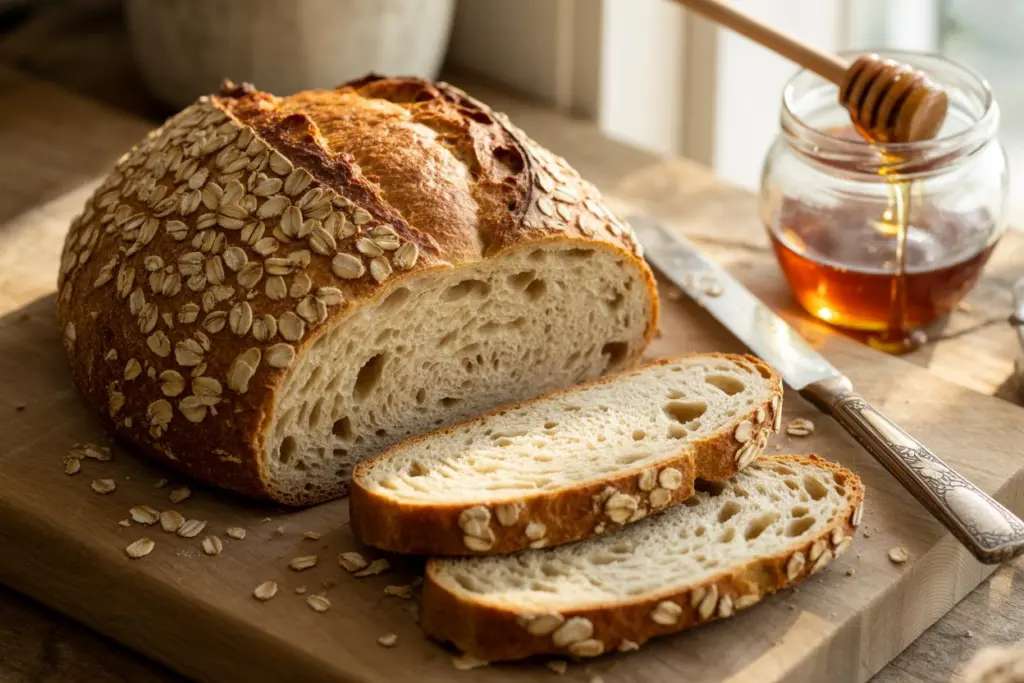
There’s something deeply comforting about baking your own bread, especially when that bread is a warm, golden loaf of honey oat sourdough bread. It feels rustic, nourishing, and just a little bit magical. The crackling crust, the tender crumb, and that subtle sweetness from honey make this loaf a favorite for beginners and experienced bakers alike.
Table of Contents
Why This Bread Is So Popular
Honey oat sourdough bread hits the sweet spot, literally and figuratively. It balances the tangy complexity of sourdough with the natural sweetness of honey and the wholesome texture of oats. It’s not overpowering, not too sour, and incredibly versatile.
Who This Recipe Is Perfect For
If you’re new to sourdough, this loaf is your friendly entry point. It’s forgiving, flavorful, and doesn’t demand perfection. Think of it as sourdough with training wheels, still artisanal, just less intimidating.
If you want more of sourdough bread check out my Lemon Blueberry Sourdough Bread or my Sourdough Buttermilk Bread with Overnight Sponge Method.
What Makes Honey Oat Sourdough Bread Unique
The Role of Honey in Sourdough
Honey does more than sweeten. It softens the crumb, enhances browning, and feeds the natural yeast in your starter. The result? A loaf that’s gently sweet, beautifully golden, and subtly complex.
Why Oats Change Everything
Oats bring moisture, texture, and nutrition. They soften the crumb and give the bread a cozy, hearty feel, like a warm sweater on a chilly morning.
Texture, Flavor, and Aroma Explained
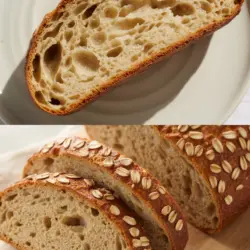
Expect a crust that crackles lightly, a crumb that’s tender but structured, and an aroma that smells faintly of toasted grain and caramelized honey. It’s the kind of bread that makes people wander into the kitchen asking, “What smells so good?”
Understanding Sourdough Basics
What Is a Sourdough Starter?
A sourdough starter is a living culture of flour and water. Wild yeast and bacteria do all the heavy lifting, creating natural rise and deep flavor without commercial yeast.
Natural Fermentation Made Simple
Fermentation is just time doing its thing. As the dough rests, flavors develop, gluten strengthens, and the bread becomes easier to digest.
How Sourdough Differs from Yeast Bread
Unlike quick yeast breads, sourdough moves at a slower pace. That patience pays off with better flavor, texture, and shelf life.
Ingredients Breakdown
Flour Choices That Work Best
Bread flour provides strength, while a touch of whole wheat adds depth. You don’t need anything fancy, just good-quality flour.
Choosing the Right Oats
Rolled oats are ideal. They soften beautifully when soaked and blend seamlessly into the dough without overpowering it.
Honey Selection Tips
Use pure, mild honey. Clover or wildflower honey works perfectly without stealing the spotlight.
Water and Salt – Small but Mighty
Water hydrates the dough, and salt controls fermentation while enhancing flavor. Skip either, and the loaf falls flat.
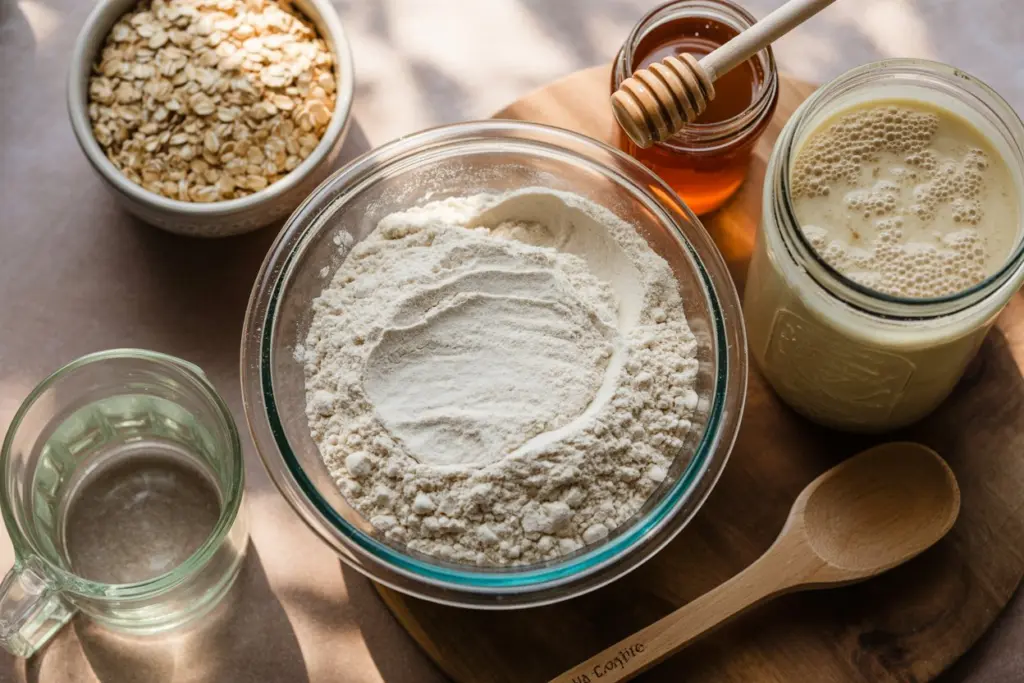
Preparing the Oats
Why Soaking Oats Matters
Soaking prevents oats from stealing moisture from the dough later. Think of it as pre-hydration insurance.
Avoiding a Gummy Crumb
Unsoaked oats can lead to dense, gummy bread. A simple soak keeps everything balanced.
Mixing the Dough
Autolyse Explained for Beginners
Autolyse is just mixing flour and water and letting it rest. This builds gluten naturally, making the dough easier to handle.
Adding Honey and Oats at the Right Time
Honey and oats come in after autolyse, ensuring even distribution without breaking down the dough structure.
Bulk Fermentation
What Bulk Fermentation Really Means
This is the main rise. The dough grows, relaxes, and develops flavor.
Stretch and Fold Technique
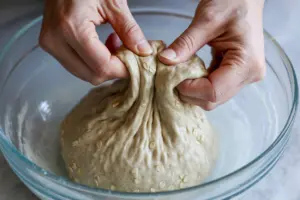
Gentle stretches strengthen gluten without kneading. Think of it as yoga for dough.
How to Tell When It’s Ready
Look for a puffier dough with bubbles and a slight jiggle when you shake the bowl.
Shaping the Dough
Pre-Shape vs Final Shape
Pre-shaping organizes the dough; final shaping builds surface tension for a good rise.
Tension Without Tearing
Firm but gentle hands are key. Too rough, and the dough fights back.
Cold Proofing
Why Overnight Proofing Improves Flavor
Cold proofing deepens flavor and makes baking more flexible. It’s like marinating, but for bread.
Timing and Temperature Tips
Eight to twelve hours in the fridge works wonders without over-proofing.
Here’s a quick guide to help you decide:
| Proofing Method | Temperature | Time | Flavor & Texture |
|---|---|---|---|
| Room temperature proof | 70-75°F (21-24°C) | 2-4 hours | Mild flavor, softer crumb |
| Cold overnight proof | 38-42°F (3-6°C) | 8-12 hours | Tangy flavor, chewy crust |
Correct Timing for Oat Topping (Step-by-Step)
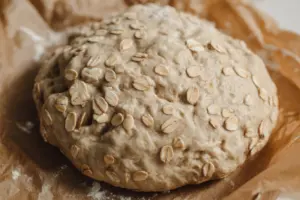
After the dough finishes overnight cold proofing, lightly mist the top with water, then roll it in a shallow tray of oats until evenly coated. This rustic oat layer not only adds texture but also gives your loaf its signature golden edge when baked.
Baking Honey Oat Sourdough Bread
Oven Setup and Steam
Steam helps the loaf rise before the crust sets. A Dutch oven does this effortlessly.
Getting That Golden Crust
Honey encourages caramelization, so keep an eye on browning toward the end.
Internal Temperature Guide
Aim for about 96°C / 205°F for a fully baked loaf.
Cooling and Slicing
Why Patience Pays Off
Cutting too early releases steam and ruins the crumb. Let it cool completely.
Best Way to Slice Oat-Topped Bread
Use a serrated knife and gentle sawing motions to protect the crust.
For more bread care tips and recipes, check out my Raspberry Sourdough Bread with Cream Cheese. It covers everything from humidity control to refreshing stale loaves.
Common Mistakes and How to Fix Them
Dense Crumb Issues
Often caused by under-fermentation or inactive starter. Time is your friend here.
Burnt Oats on the Crust
Tent the loaf with foil if browning too fast.
Storage and Shelf Life
Keeping It Fresh Naturally
Store at room temperature in a paper bag or bread box for up to three days.
Freezing Instructions
Slice, freeze, and toast straight from the freezer for best results.
Serving Ideas
- Sweet Pairings: Butter, jam, nut butter, or even a drizzle of extra honey.
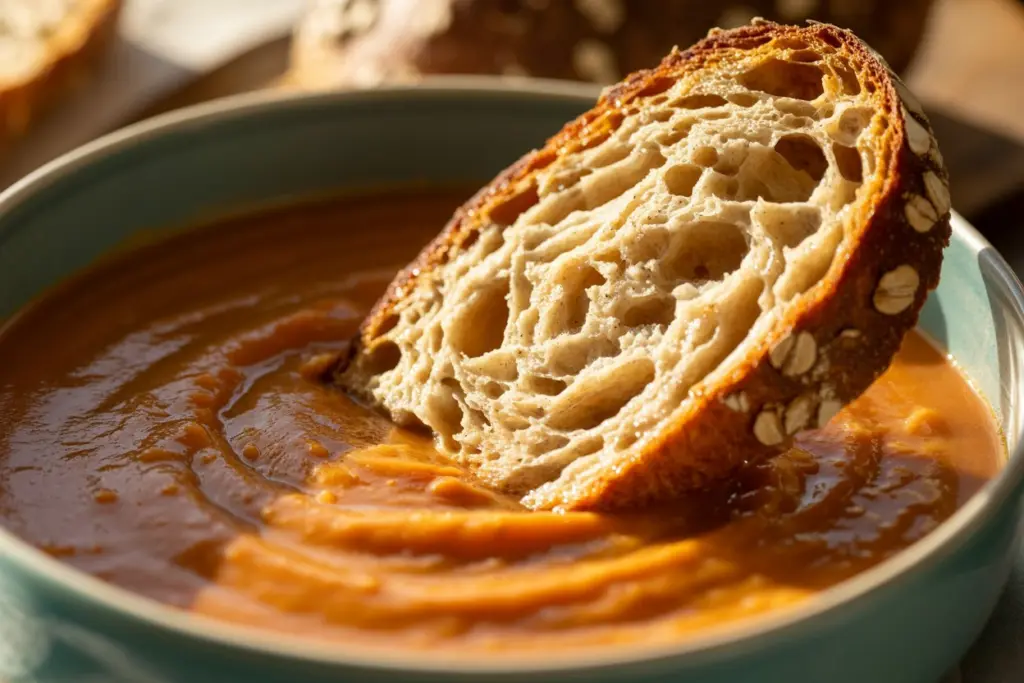
- Savory Pairings: Eggs, cheese, avocado, or hearty soups.
Health Benefits of Honey Oat Sourdough Bread
Digestibility and Fermentation
Long fermentation breaks down gluten and phytic acid, making nutrients easier to absorb.
Nutritional Benefits of Oats and Honey
Oats add fiber and minerals, while honey provides antioxidants and natural energy.
Honey Oat Sourdough Bread

Equipment
- Large mixing bowl
- Kitchen scale
- Bench scraper
- Proofing basket or bowl
- Parchment paper
- Dutch oven
- Oven
- Wire cooling rack
Ingredients
- 450 g bread flour
- 50 g whole wheat flour
- 100 g active sourdough starter
- 320 g water
- 60 g rolled oats
- 40 g honey
- 10 g salt
Instructions
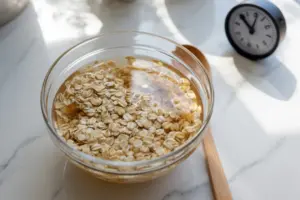
- Soak the rolled oats in 120 g of the water for 20 minutes, then set aside.
- In a large bowl, mix the bread flour and whole wheat flour with the remaining water until no dry spots remain.
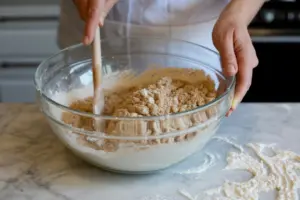
- Cover and let the dough rest for 30 minutes.
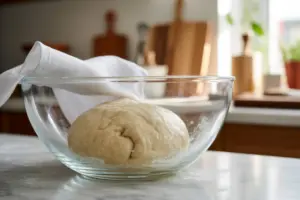
- Add the sourdough starter, honey, soaked oats, and salt to the dough.
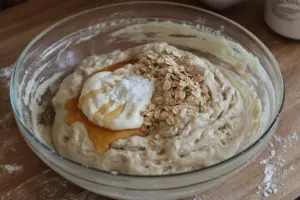
- Mix by hand until fully incorporated and smooth. Cover and let rest for 30 minutes.
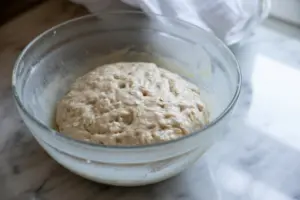
- Perform a set of stretch-and-folds, pulling the dough up and folding it over itself on all sides. Repeat the stretch-and-fold process every 30 minutes for 2 hours.
- Let the dough bulk ferment until slightly puffy and bubbly, about 3-4 hours total.
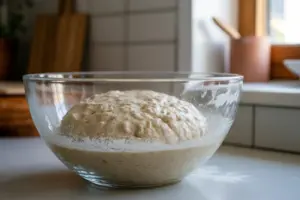
- Turn the dough onto a lightly floured surface and shape into a round.
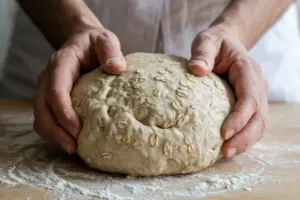
- Place seam-side up in a floured proofing basket. Cover and refrigerate for 8-12 hours.
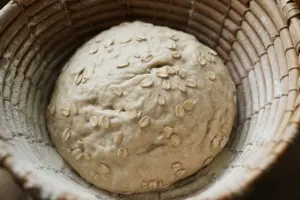
- Preheat the oven to 230°C (450°F) with a Dutch oven inside.

- After the dough finishes overnight cold proofing, remove it from the fridge. Turn the dough out of the proofing basket onto parchment paper.
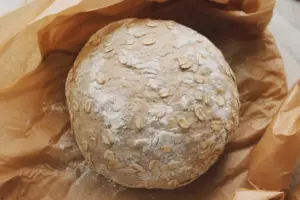
- Lightly mist or brush the surface with water (this is crucial so the oats stick).

- Gently press dry rolled oats onto the outside of the dough. Score the top, and transfer immediately into the hot Dutch oven and bake.
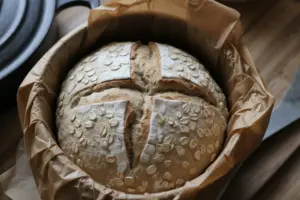
- Bake covered for 30 minutes, then uncover and bake for 10-15 minutes until deep golden brown at (425°F) .
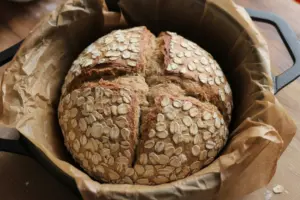
- Remove and cool completely on a wire rack before slicing.
Notes
- Calories: 190
- Carbohydrates: 34 g
- Protein: 6 g
- Fat: 2 g
- Fiber: 3 g
- Sugar: 5 g
FAQs
Can I use instant oats instead of rolled oats for sourdough bread ?
Rolled oats work best. Instant oats can turn mushy and affect texture.
Can I make sourdough bread without a Dutch oven?
Yes, but you’ll need another way to create steam in the oven. To replace a Dutch oven, place a metal tray with hot water on the bottom rack of the oven to create steam during the first 15 minutes of baking.
Is honey oat sourdough bread very sweet?
No, it’s subtly sweet, just enough to balance the tang.
Why did my oats fall off the sourdough crust?
They need moisture to stick. Lightly spray or brush the dough before adding oats.
How long does honey oat sourdough bread last?
About 3 days at room temperature, longer if frozen.
Can I freeze honey oat sourdough bread?
Absolutely. Slice the bread, place the slices in a freezer-safe bag, and remove air before sealing. They’ll stay fresh for up to two months. Reheat straight from the freezer for a crisp crust and soft crumb every time.
Honey oat sourdough bread is more than just a recipe, it’s an experience. It teaches patience, rewards curiosity, and fills your kitchen with warmth. Whether you’re brand new to sourdough or looking for a reliable, comforting loaf, this bread delivers every single time.
If you’re new to sourdough or still building your confidence, check out Sourdough Discard Blueberry Bread or Quick Sourdough Discard apple bread for more easy Sourdough bread recipe.